Hostiles that route around your walls
Chasers now plan their routes on the live voxel grid, lead their target a little, and only shake you when a hit actually lands.
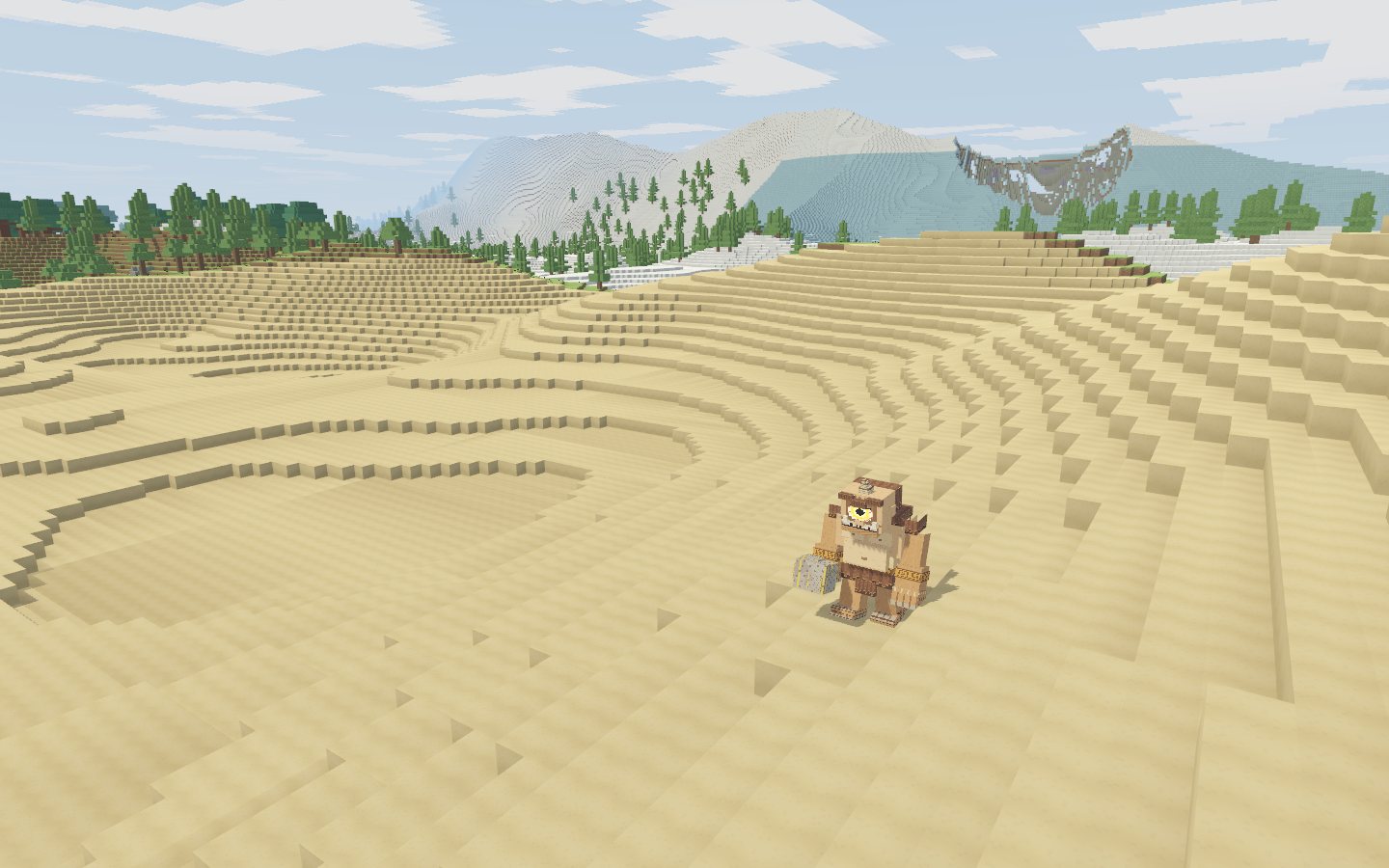
Until this week a hobgoblin chasing you through a meadow was mostly heading straight at you and hoping. Now ground chasers plan real routes through the terrain, sized for their own bodies, on the same native grid the world is built from. Wall yourself in and the route updates immediately. Knock a hole in your own wall and, yes, it finds the hole.
Keeping it cheap
The path searches share a small budget per server tick, two routes at a time with a node cap on each, and they cache waypoints between retries. Quest 3 has to hold 90 Hz with all of this running on the server side, so nothing here is allowed to spike.
Leading the target
Chasers anticipate where you are going for up to 0.6 seconds. The prediction caps how fast it thinks you can move, so a teleport or a burst of flight does not send a creature lunging at a point far from where you are. Normal walking and strafing get the lead they always did. Flanking, lunges and the per species attack patterns sit on top of this, unchanged.
Only real hits hit
Incoming damage now has one clear language: a directional edge on the side you were hit from, the sound and haptics you already knew, and a short impact pause. On desktop the camera kicks slightly. In the headset your view is never animated by a hit, because moving someone's head for them is the fastest way to make them take the headset off. Zero damage, for example a glancing blow on a shield, never triggers the feedback at all.
Next on this front is giving each hostile a distinct commitment and dodge feel, so a cragjaw and a hexling do not read as the same chaser in a different coat.