The game, in detail
Fenyora is in alpha. This page says what is in the build today and what is coming next in each area, so nobody has to guess. Every clip is from a development build.
The world
Generation runs as layered passes on the seed: continent shape, erosion, warped ridges, a 3D density field for the terrain itself, cave fields, aquifer noise, climate, biome, surface rules and deposits. Biomes are picked by nearest match in climate space and limited by larger regions, so redwood forest, dry lanes, snowfields and ice wastes meet each other without a hard edge.
The horizon is real terrain too. Far tiles from the same density field reach out about 700 blocks, with fog closing the last stretch. Nothing is generated in advance and nothing is shipped. The world appears where you walk.
In the game now
- Seven named biomes: redwood forest, meadow, dry lanes, snowfields, ice wastes, and below ground the limestone caverns and crystal depths.
- Connected lava tubes that climb and dip between chambers in five shapes: terraced domes, rifts crossed by rock bridges, pillared halls, stepped craters and stalactite grottos.
- A volcano whose lava pools warn in amber and then spit at anyone close enough.
- A minimap and a full map that fill in as you explore, shared with everyone in your world.
- Authored sites seeded into the world: the Bloodworks arena and its working settlement, Ember Mesa with Stone Hollow's camp, and Rookfall Manor.
- A designer authored river with varying width and shore materials, lakes, lava pools, and Blackstone where the two meet.
- Grass tufts and gold and lilac flowers across the meadows, drawn in their own mesh pass with no collision, harvested for fibre, petals and seeds.
- Deterministic generation: every tree, deposit and site belongs to its coordinates, so two players on the same seed see the same world.
- Spawn is safe. The first 256 blocks hold passive life only. Hostiles build up gradually beyond that, big monsters beyond 768 blocks, dragons beyond 1,024.
Next
- Real hydrology: drainage basins worked out across the map, rivers carved downhill from them, tributaries and lakes.
- Aquifers that flood some chambers and leave others dry, and deeper layers below the lava tubes.
- A staged start: a small starting valley ringed by fog that pulls back as you build at its edge.
- Roads, ruins and towns from a civilisation pass after early access.
Building and crafting
You break and place directly into the world, and the world remembers only what you changed. Plants snap fast, stone takes longer and cracks in stages, ice and crystal shatter into shards. Sun comes through the window you cut and lays a beam across the floor you laid.
Crafting is a recipe card, not a memory test. Gather a new material and you learn what it makes, along with every step to get there, down to building the station itself. Six stations cover the chain from raw log to enchanted fixture.
The six stations
- By hand: bindings, a basic fire and light, a basket, and the first stations.
- Joiner's bench: timber, masonry assembly, furniture and ordinary fixtures. One comes in your starting pack.
- Clamp kiln: bricks, tiles, glass, ceramics and the first iron bloom.
- Weaver's frame: cloth, curtains, bedding and soft furnishings.
- Bellows forge: hardware, tools and metal fixtures.
- Resonance desk: magical mechanisms and, later, the traits that modify weapons and fixtures.
Things you can make today
- Walls, floors, stairs, roof slopes, frames and lattice infill that merge into the terrain like any other block.
- Porches on forked supports, thatch ridges, rope ladders, bridge spans, scaffold bays.
- Carved moon doors, coloured leadlight windows, sliding screens, cellar hatches.
- Hearths, bread ovens, cookpots, kettles, basins, plates and mugs.
- Sundials, weather vanes, wind chimes, rain chains, waymarker signposts and notice boards.
- A clockwork songbird, a celestial clock, a skywhale mobile and a lantern beetle with wing cases that open.
In the game now
- 241 of 300 approved recipes, with a searchable recipe book, pins, batch yields and a shared shopping list.
- Kiln and forge batches run on heat credits: a log gives four, an ember cake eight, and queues keep working while you are away.
- Shared and private containers with enforced access, and bank chests that open your own bank from anywhere.
- One metre blocks, mined and placed up to 20 blocks away on desktop and within reach in VR.
Next
- Build modes for players who love building: test colour composition, window frames, railings, eaves and other overhangs, and say what is missing.
- Materials that behave: sand that falls, unsupported stone that crumbles, alongside the water and lava that already flow.
- The remaining recipes: the Hidebound armour set, blueprint storage, and spears, maces and shields.
Hands and VR
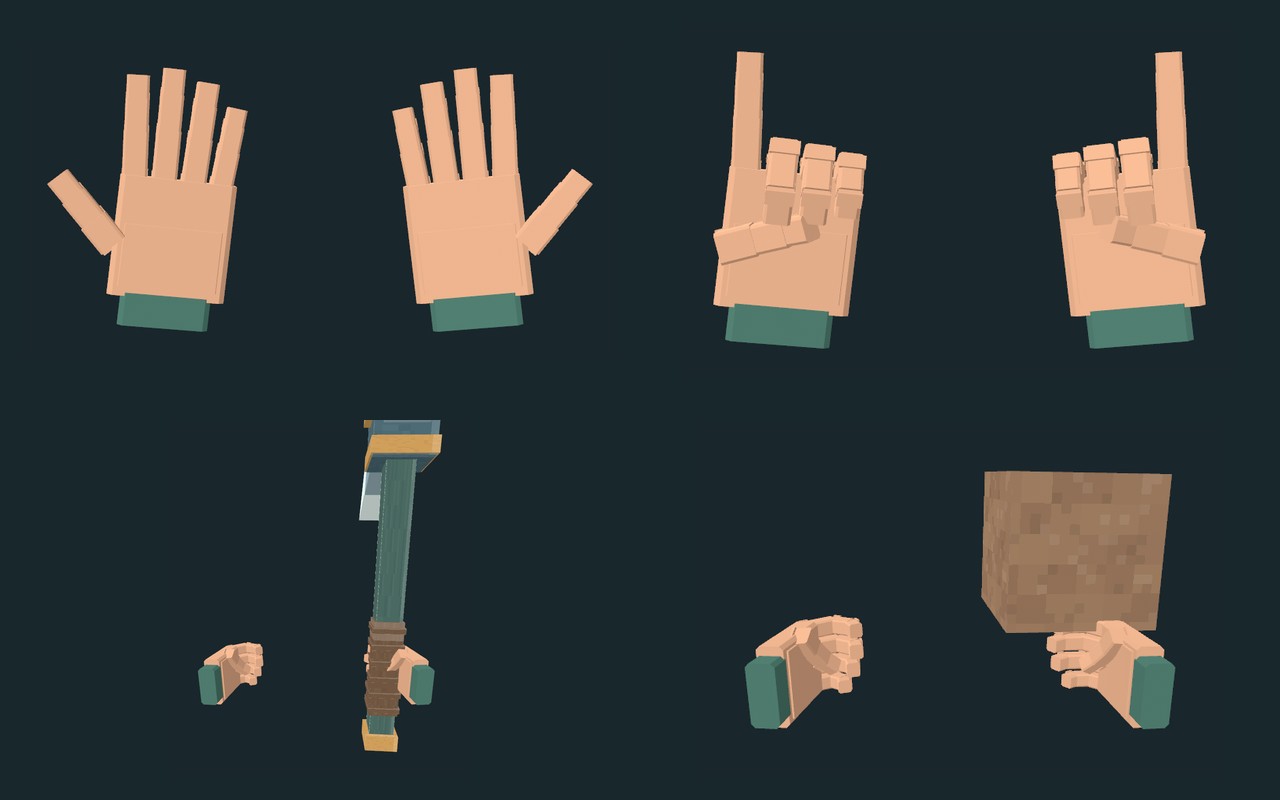
Quest 3 is the lead platform. Your health is ten small hearts around your off hand wrist, the lowest one on top, so a glance tells you enough and a roll of the wrist tells you the rest. There are no buttons on your wrist and no floating HUD. The satchel opens a metre in front of you, fixed in the world, and you point at what you want.
Comfort rules are firm. The view is never moved, turned or shaken for you. A hit shows as a soft ring at the edge of sight and a short pulse in the controller, with the centre of each eye always clear.
In the game now
- Articulated hands that follow your grip, with fists when you stow your tools.
- Stick movement with a dash, smooth turning, physical swings with real speed thresholds, and swimming with rise and dive buttons.
- Wrist hearts, a world space satchel with skills, character and bank pages, and floating local chat.
- Riding, mining, placing and eating all work from the same grip, and other players see your hands and head move.
Next
- Climbing by grabbing any exposed edge and pulling.
- Grip racks: pieces on one hand, tools on the other, and a wrist panel you tap with a fingertip.
- Diorama mode: the world as a tabletop model you lift, turn and scale with both hands.
- The creature touches: holding still until a glimmermoth lands on your palm, patting a puffkin, offering food to a kitsuna.
Kins and your character
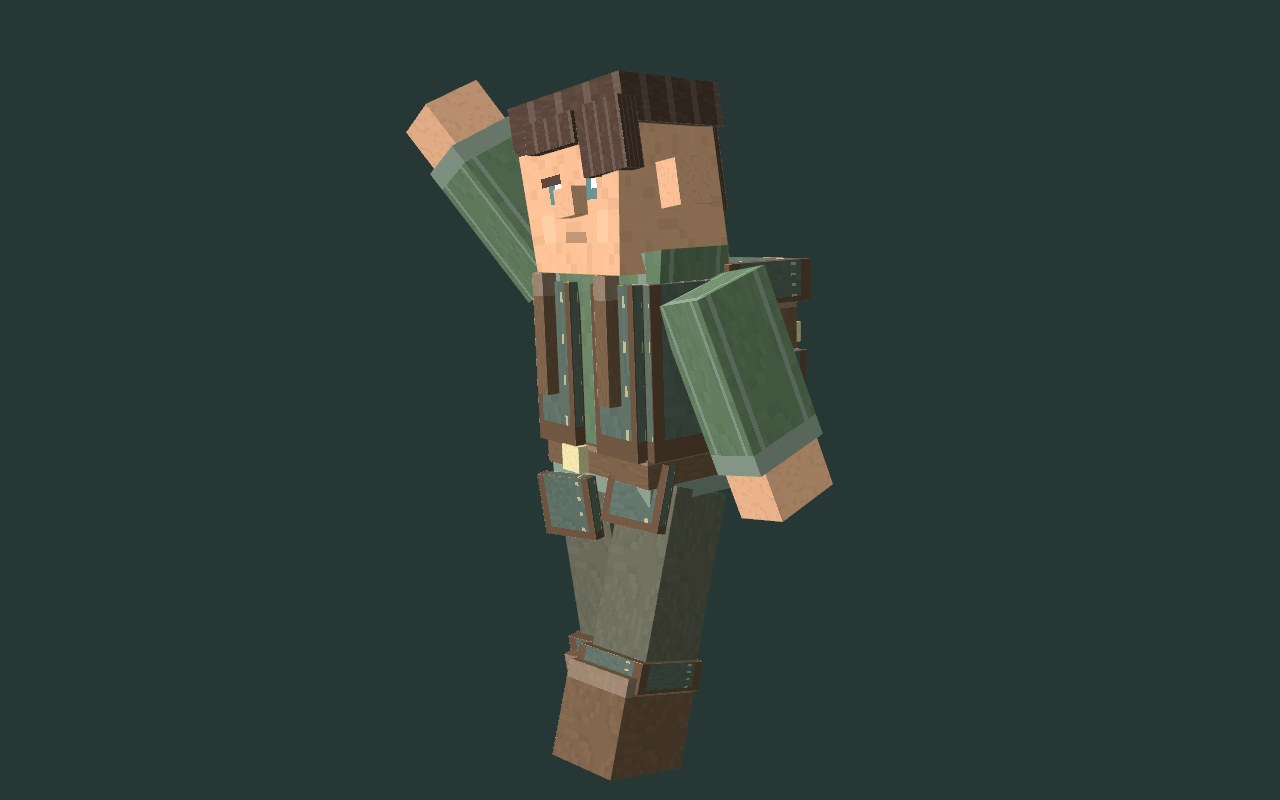
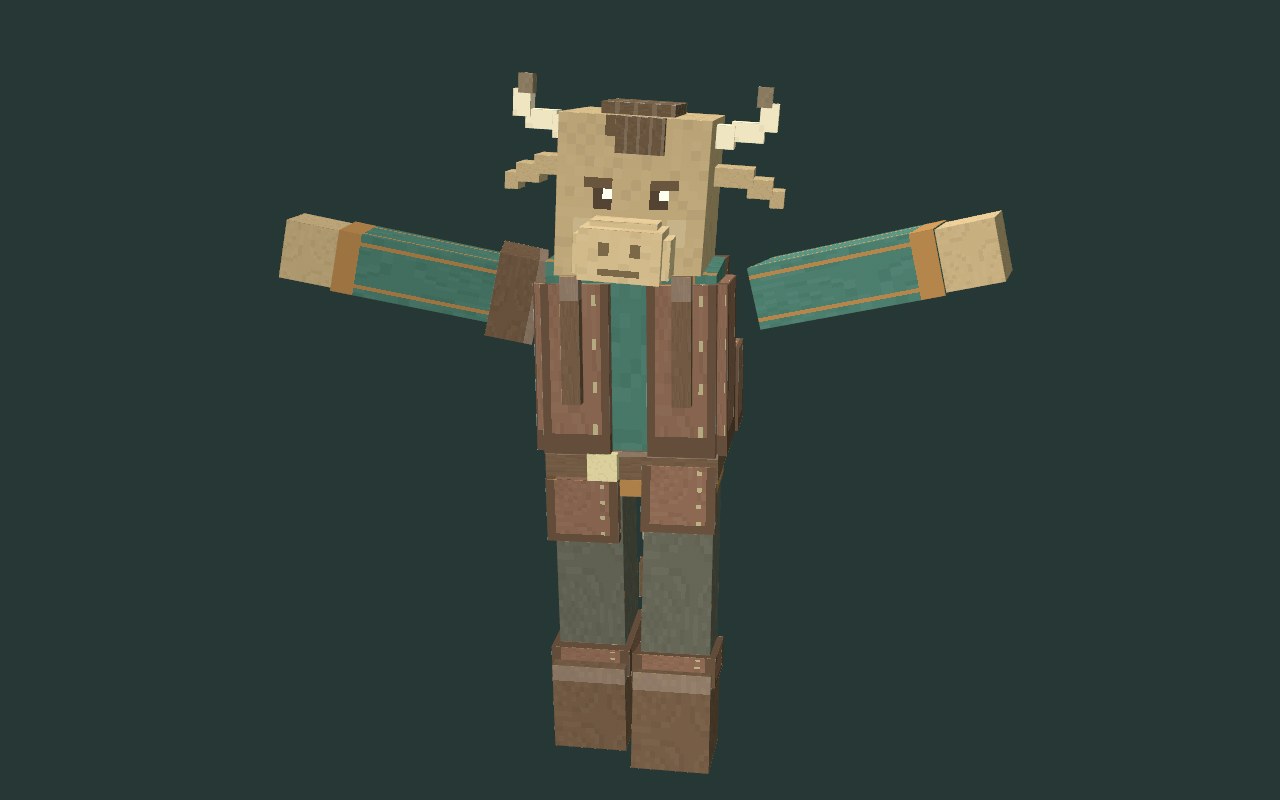
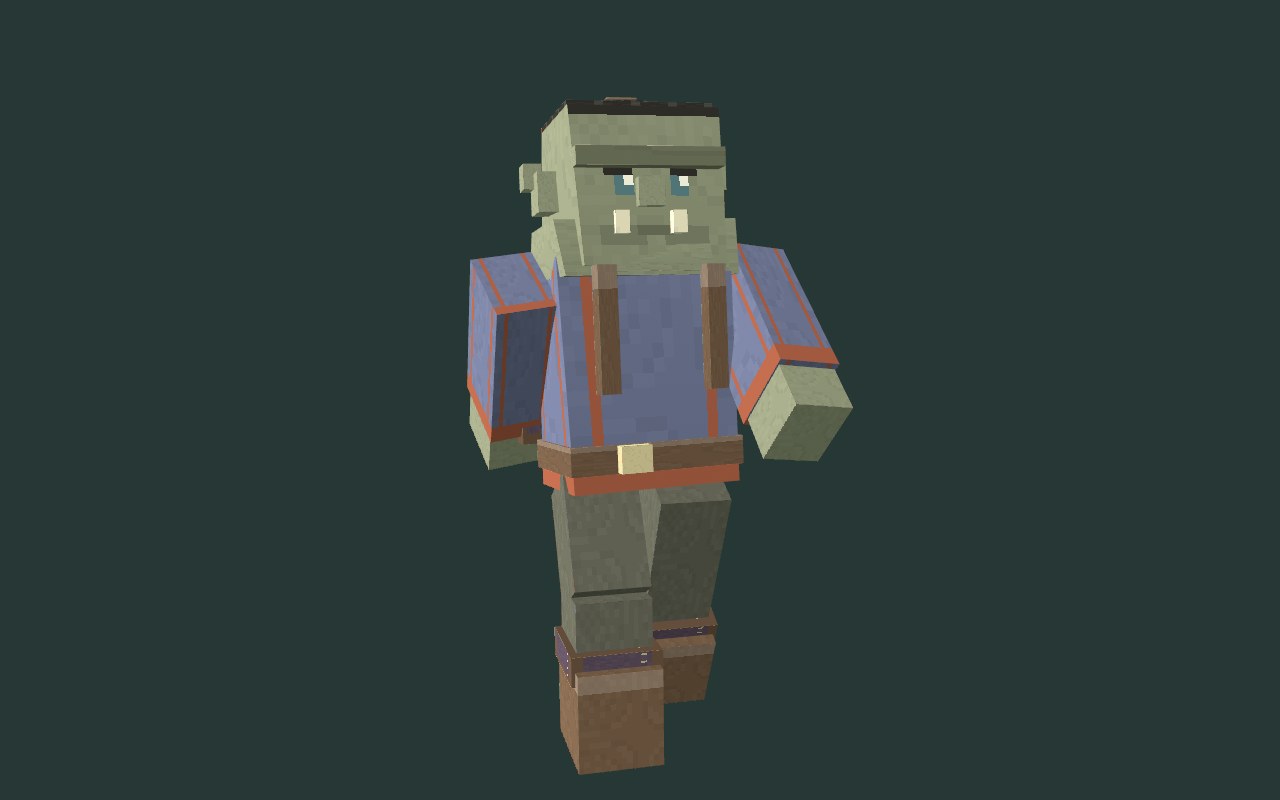
You are a traveller of one of 19 kins. Human, elf, orc and oni sit alongside dryads and folk of bear, beetle, cow, deer, fox, frog, harpy, owl, moth, sheep, spore, stone, scale and sea. Ears, crests, hair, cheek fur and tails are built from thin curved cards, so a foxkin's tail is bushy and a mothfolk's antennae are fine rather than everything being a box.
The character page in your satchel sets kin, skin, eye and hair colours and proportions, and shows the result turning in front of you. Nobody is taller or shorter for their choice, and everyone fits the same doorways.
In the game now
- 19 kins, each in its own data file, with three colour rows shared across all of them.
- Three outfits (traveller, ranger, wanderer) with jacket panels, shoulder guards, boot cuffs, hair and a backpack that animate with the body.
- Five equipment slots, each with trail and reinforced pieces that also count as armour: 2 percent less creature damage per point, up to 40 percent.
- Other players see your kin, outfit and equipment, in headsets and on desktops alike.
Next
- The Hidebound armour set, crafted at the weaver's frame and forge.
- More kins. Adding one is a data file and a set of cards, so the roster grows with the creature roster.
- Equipment that costs something to make and wears out.
Inhabitants
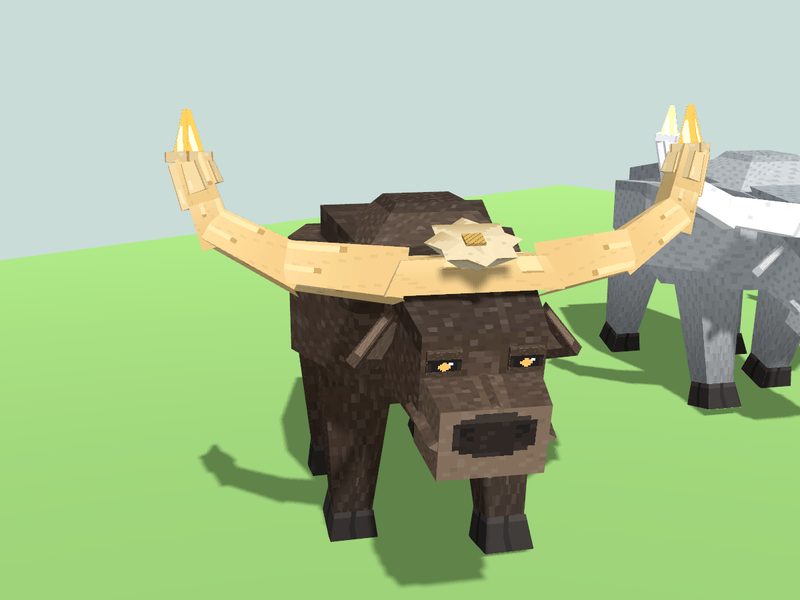
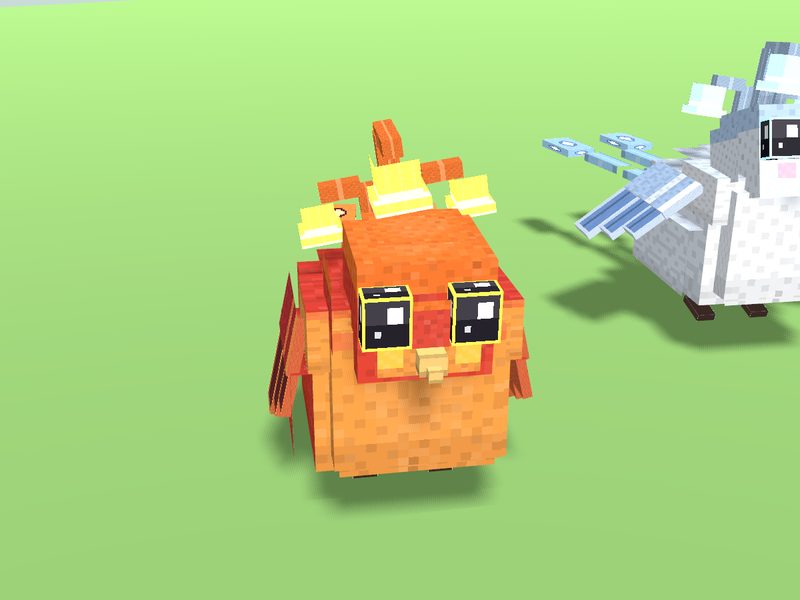
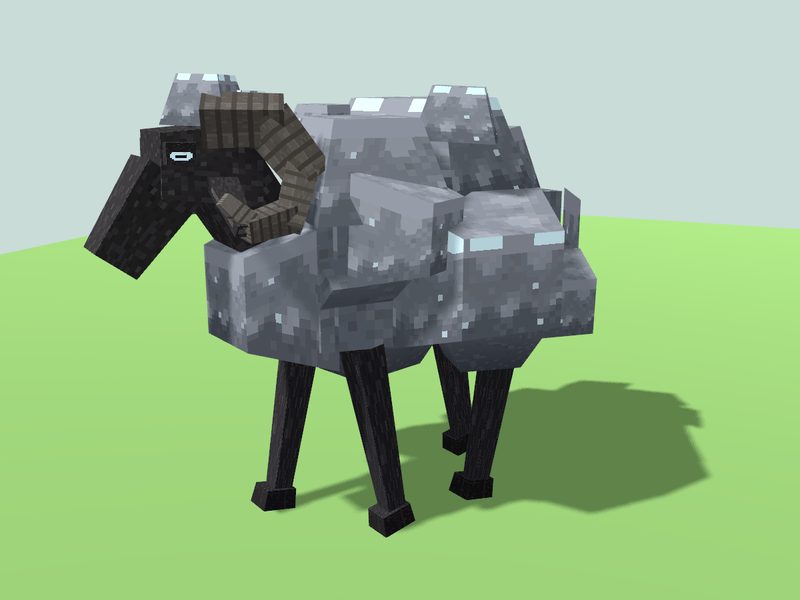
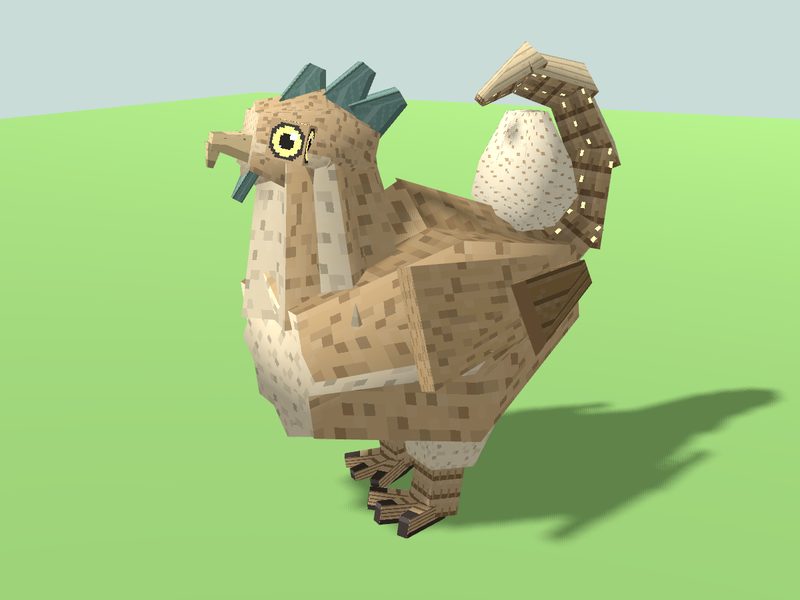
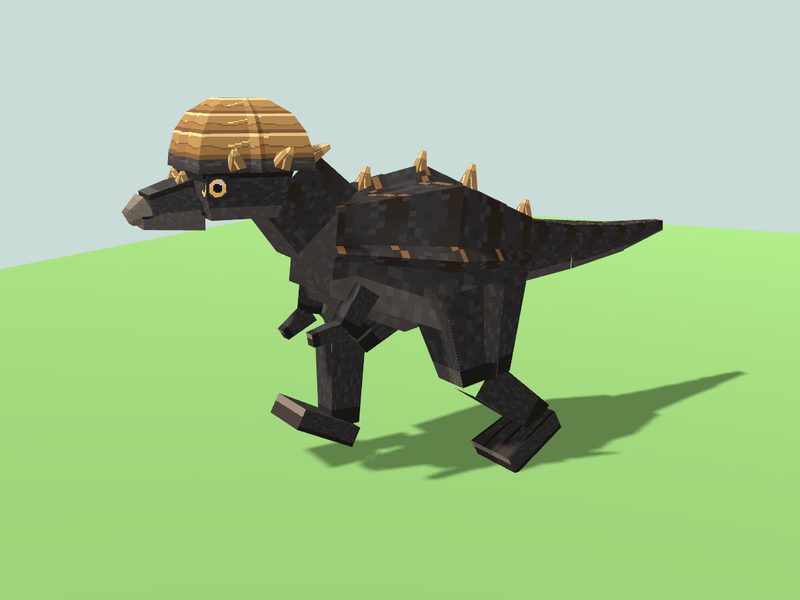
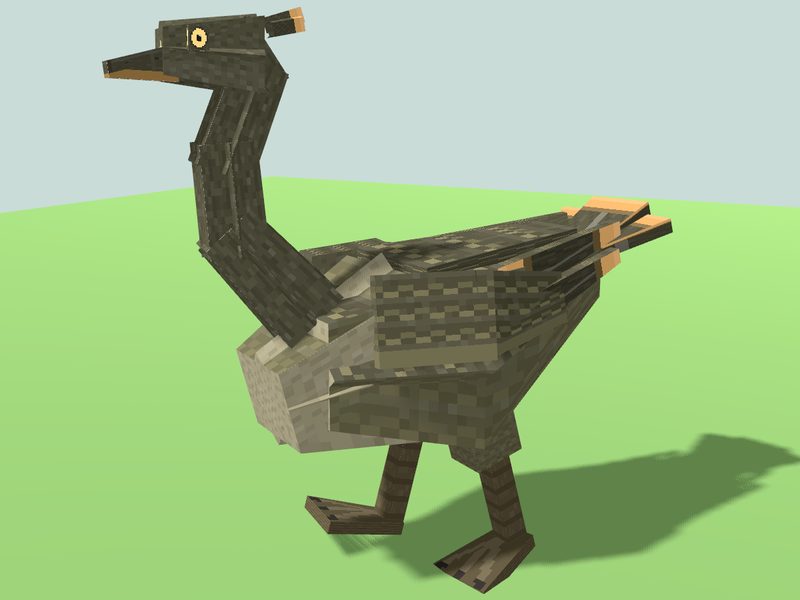
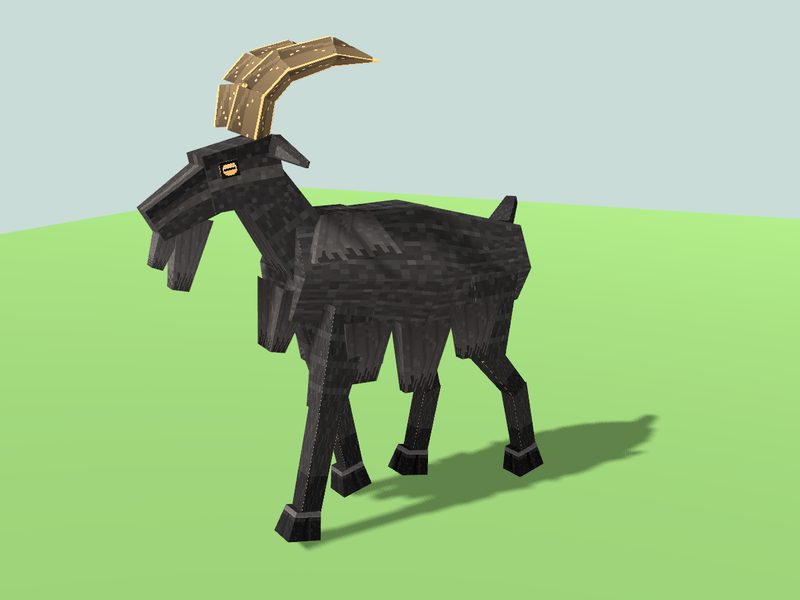
Every creature is one species with three colour variants, built from cuboid parts on one small shared atlas, under 480 triangles. Farm animals exist, but each is a fantasy creature first: a moss grown cow, a ram of cloud, a goat with crystal in its coat.
Each species has a personality. Friendly ones settle, nap and stretch on a schedule tied to the world clock, and the nocturnal ones wake at dusk. Sleeping eyes close. Companions rest when you stop and follow when you move. Hostiles fight in authored sequences, commit to their strikes and can miss.
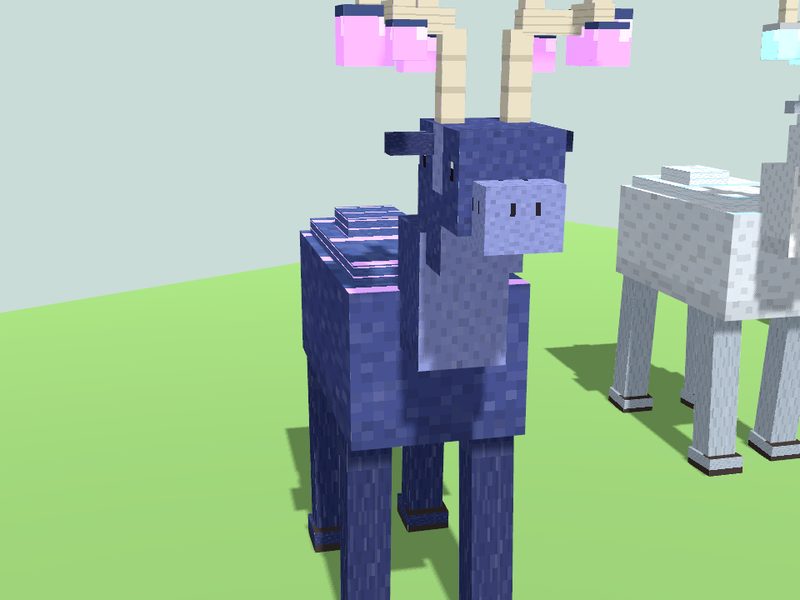
Bellhorn
Tall long-legged grazer, moss back, antlers hung with chiming bell-fruit; slow stately walk
Shake the antlers to drop bell-fruit
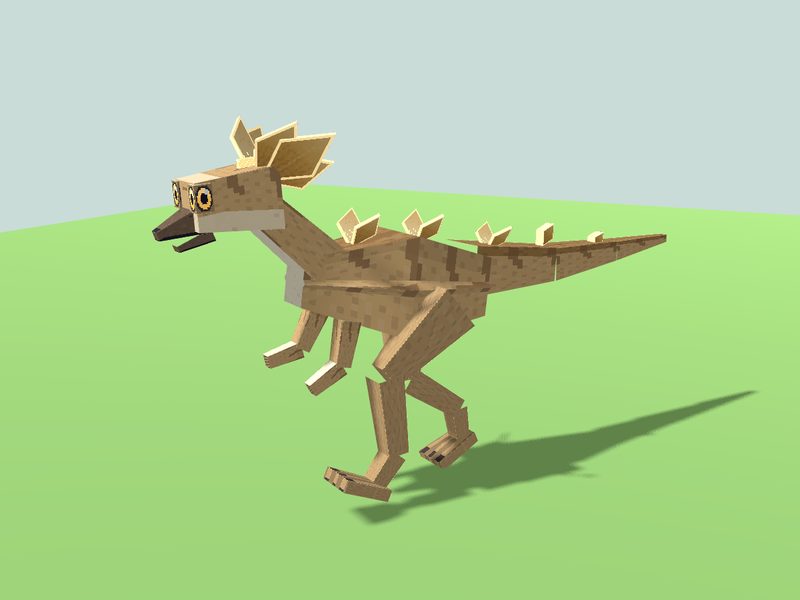
Bloomrunner
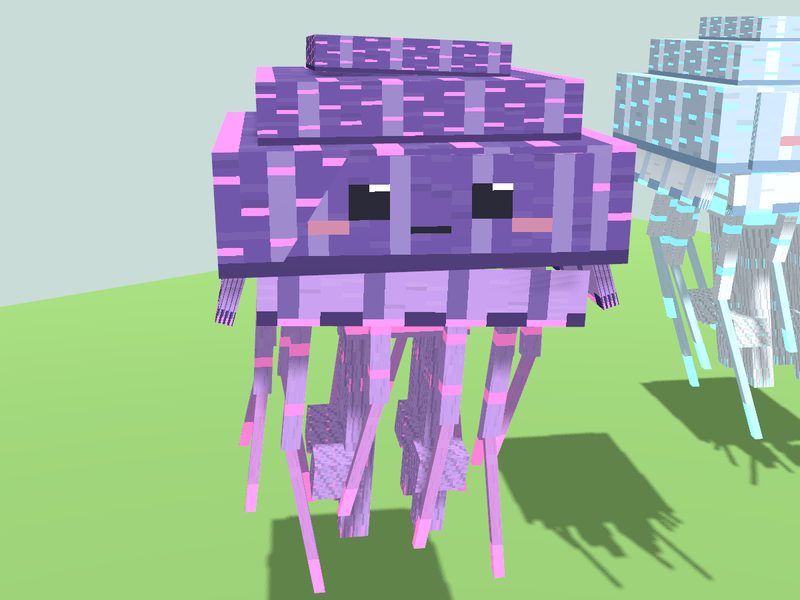
Bogwisp
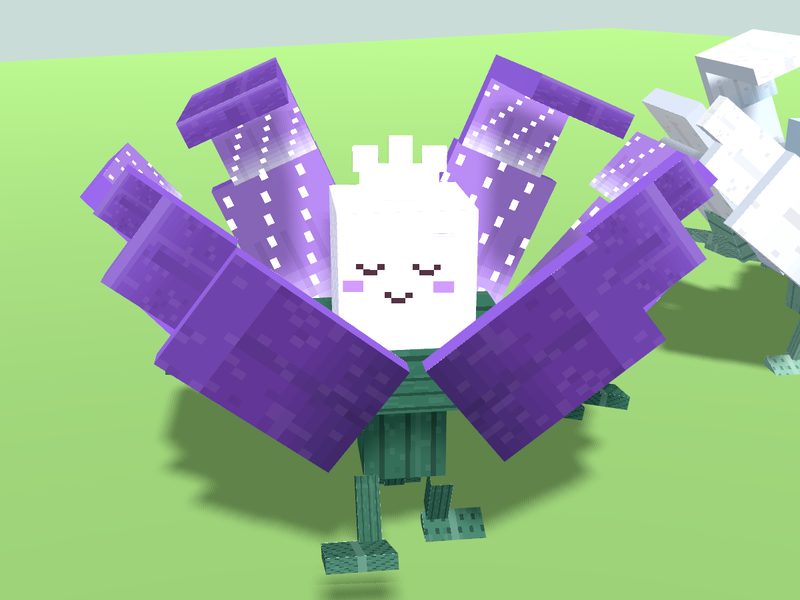
Budling
Candlehorn
Chimefinch
Cloudram
Cockatrice
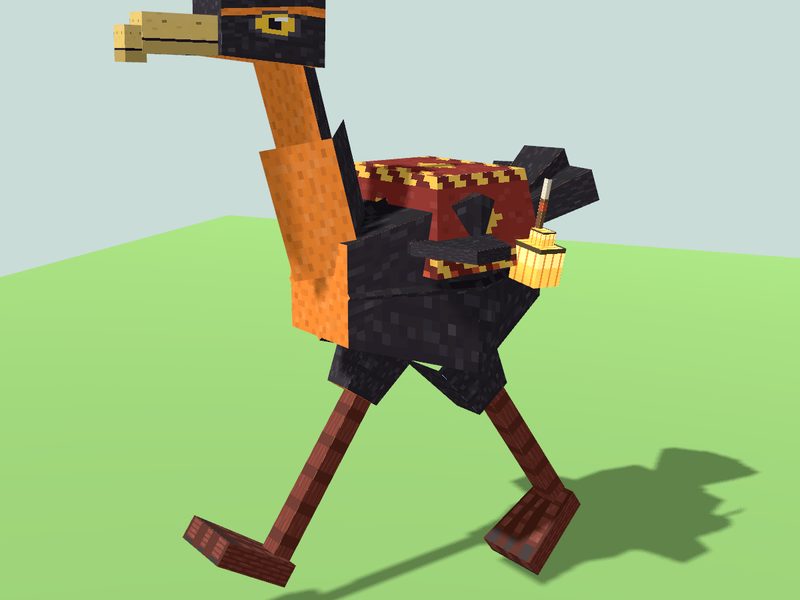
Dashcrest
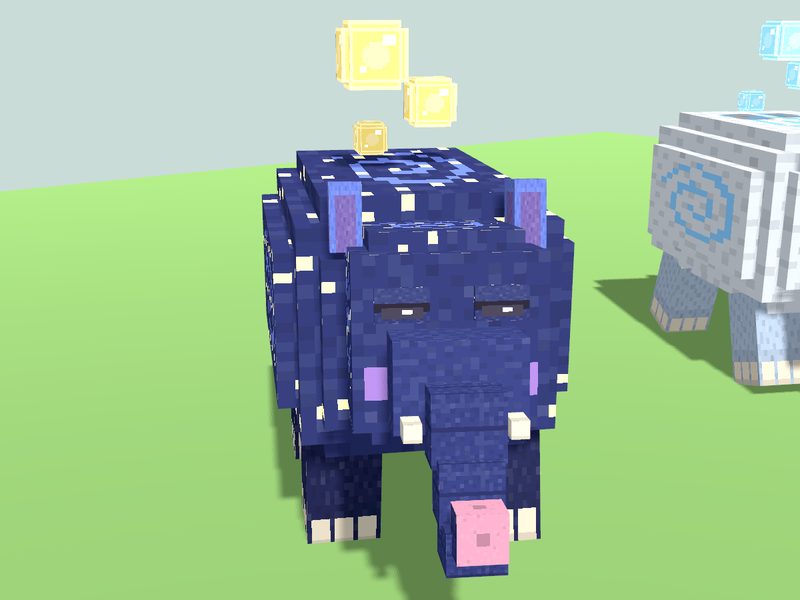
Dreambaku
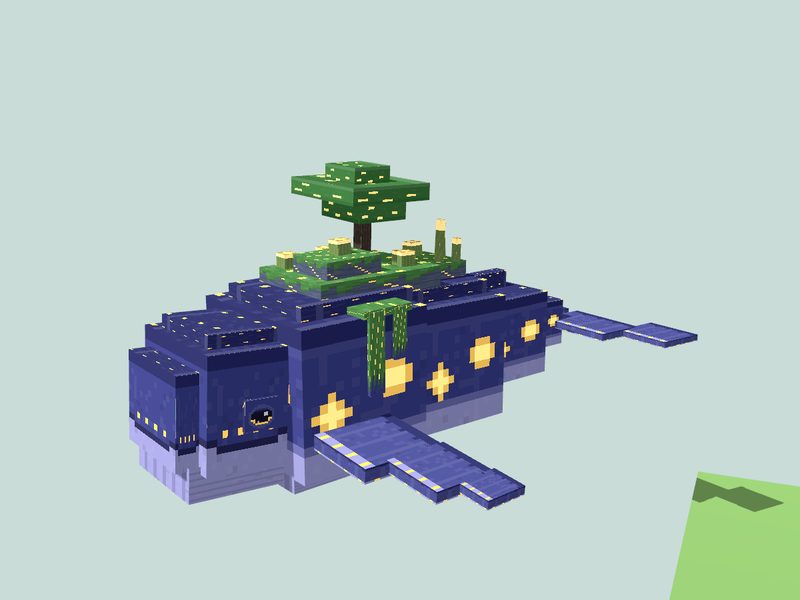
Driftwhale
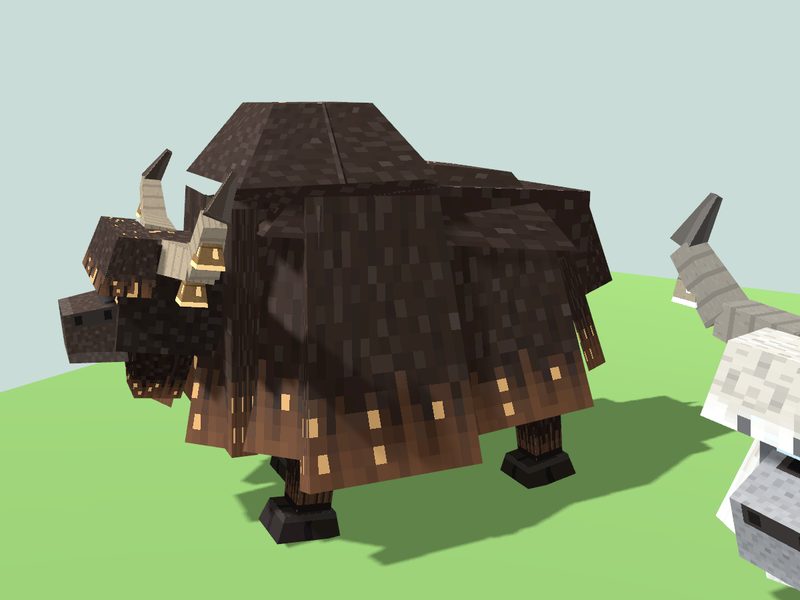
Frostyak
Gemdome
Gildgoose
Glimmergoat
Glimmermoth
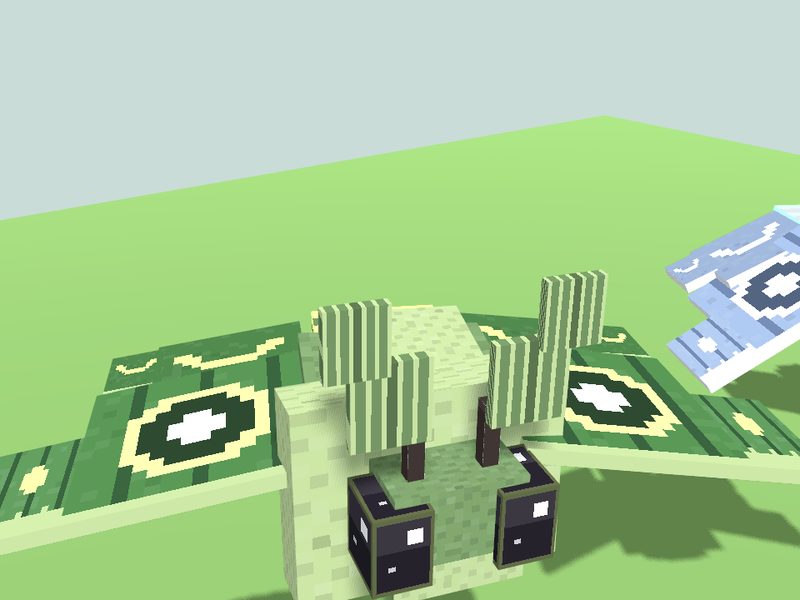
Fat fluffy moth, lantern abdomen, broad patterned wings; flutters in loose loops
Hold still and it lands on your open hand
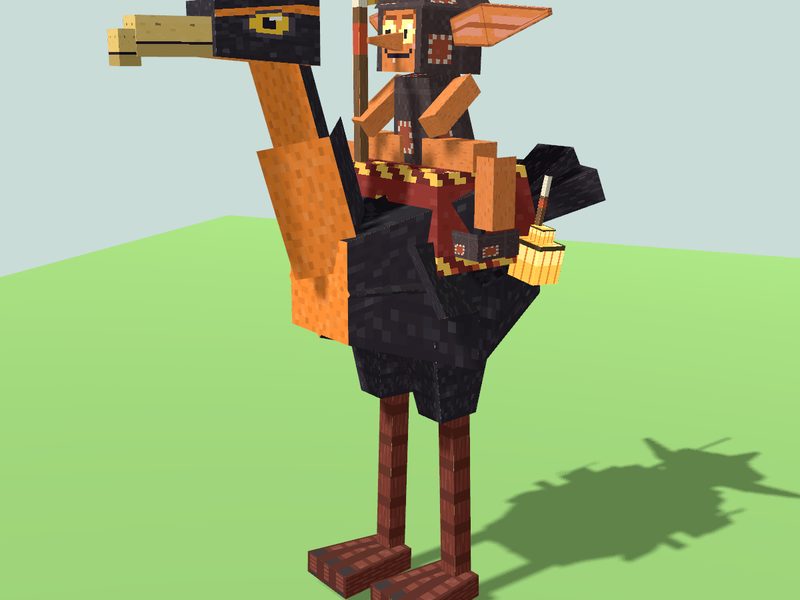
Gobrider
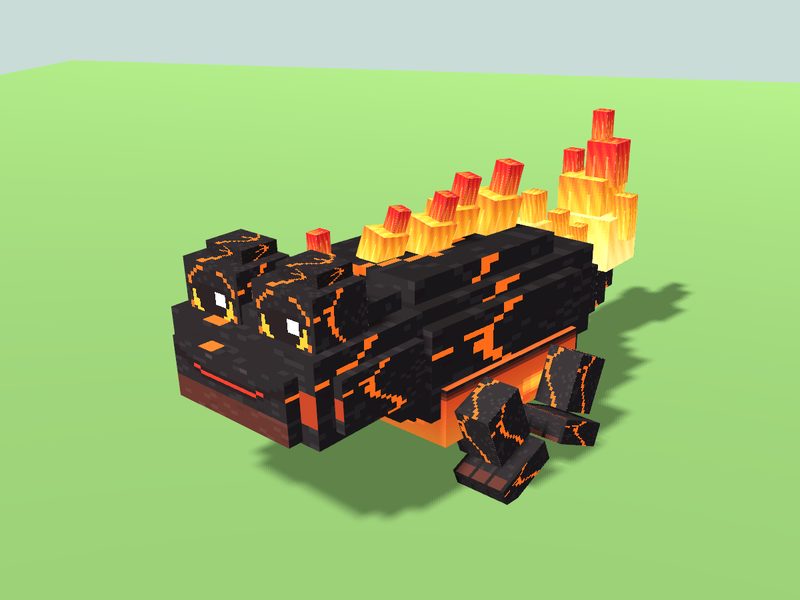
Hearthling
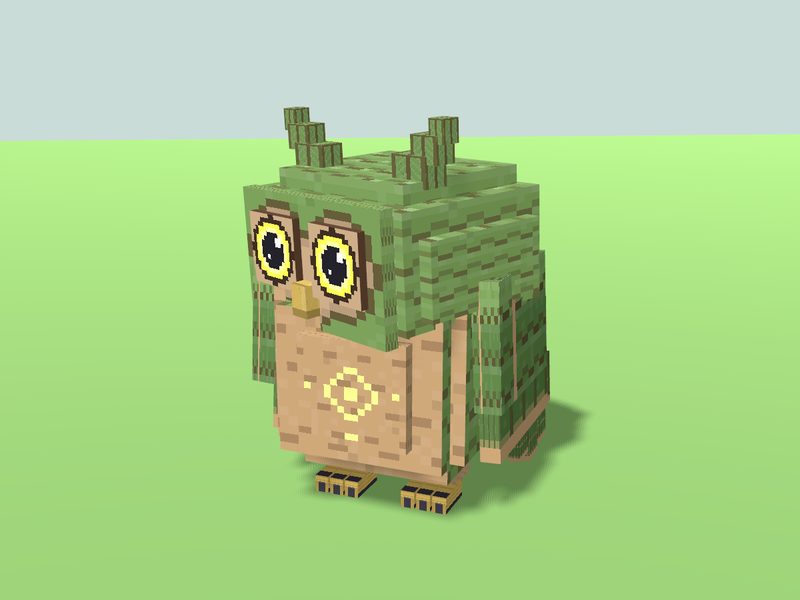
Hootling
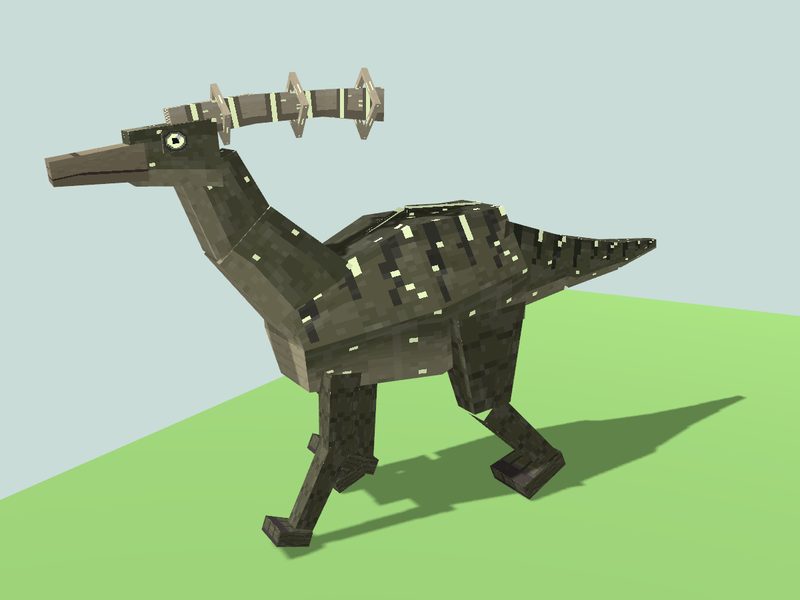
Hornsinger
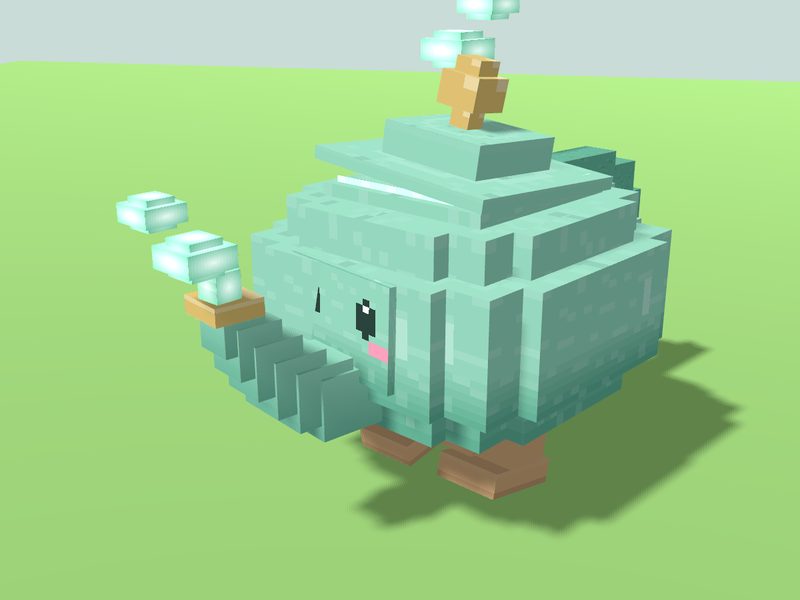
Kettlekin
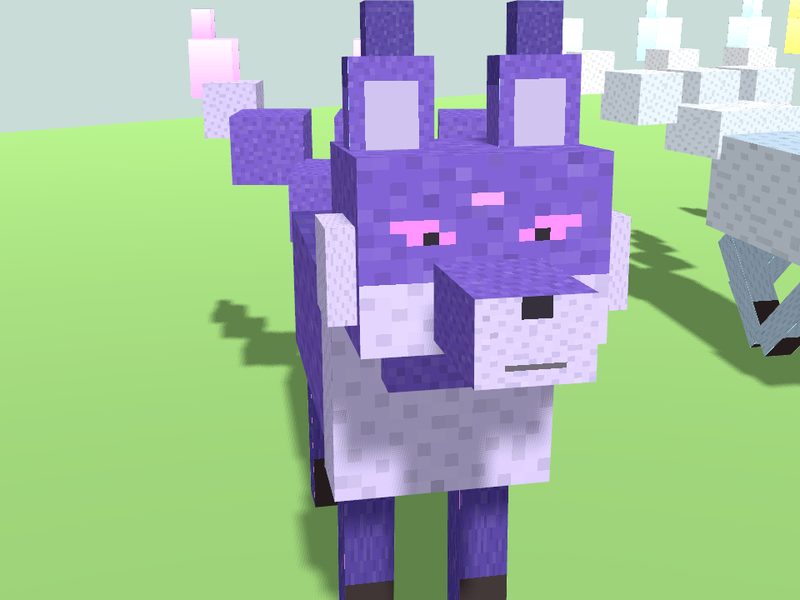
Kitsuna
Slim spirit fox with three floating flame-tip tails; trots, pounces
Offer food and it follows you and scares hostiles
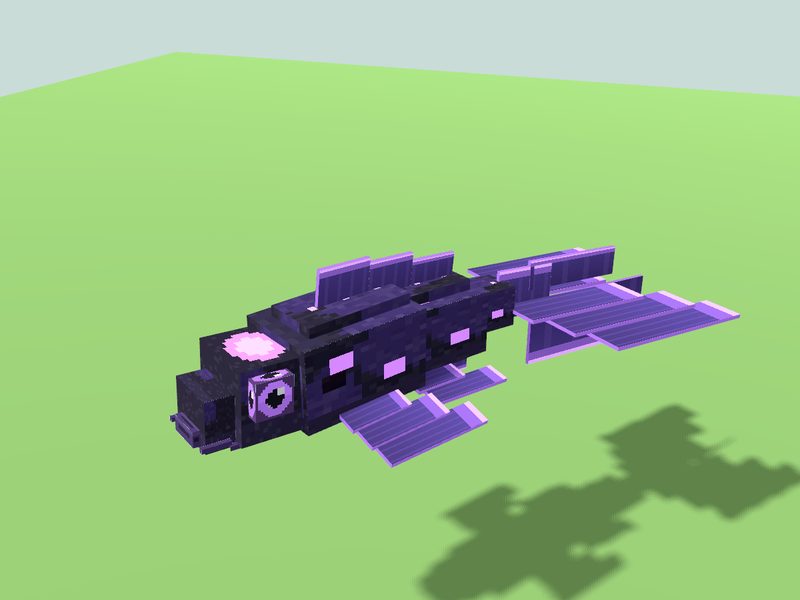
Lanternkoi
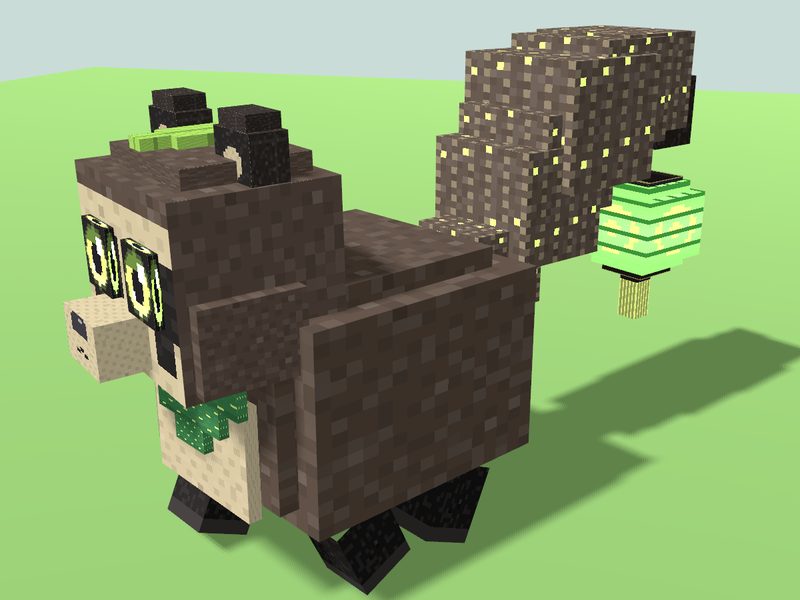
Lanterntail
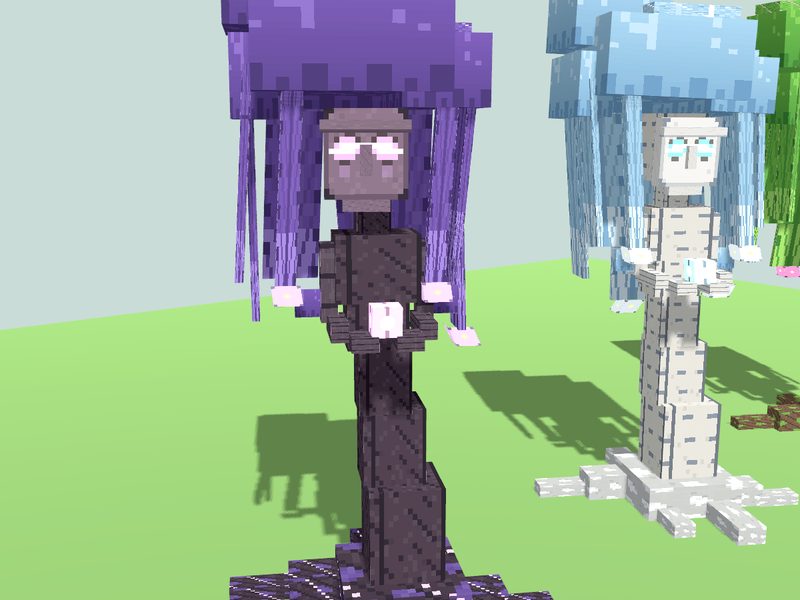
Leafwarden
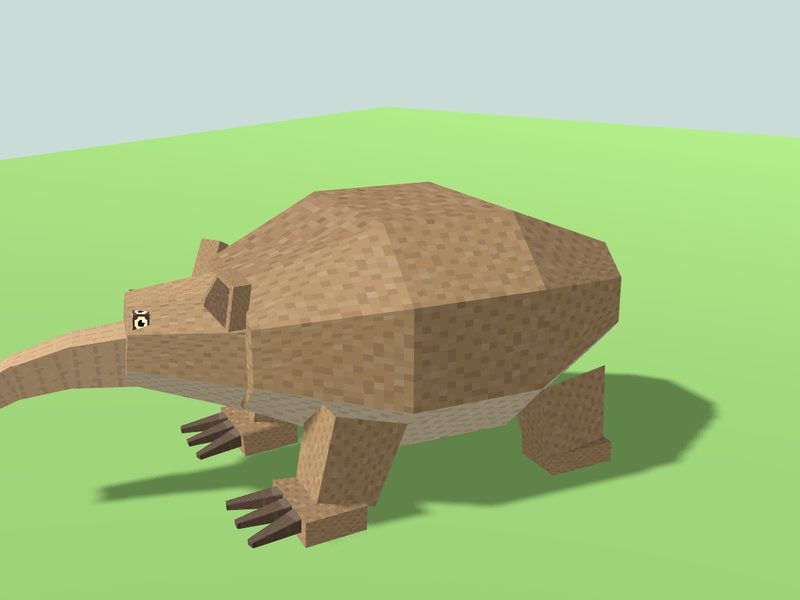
Loamsnout
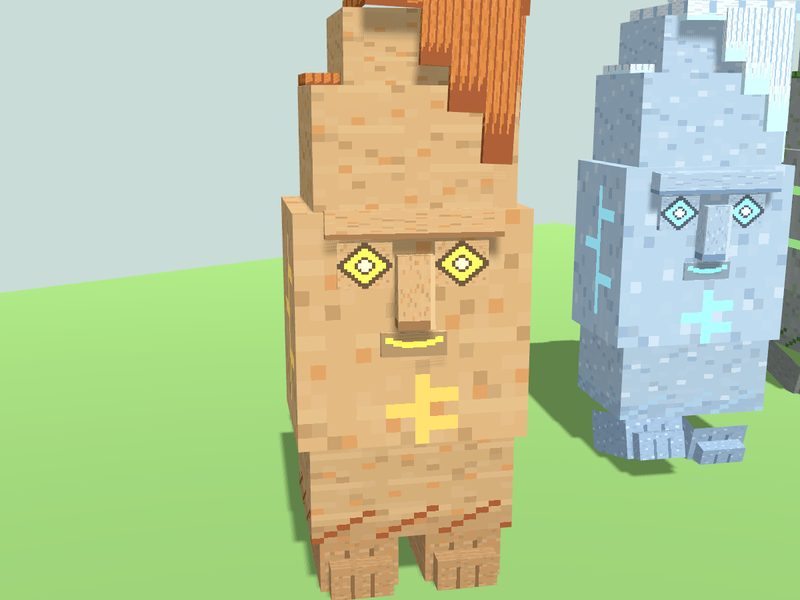
Menhir
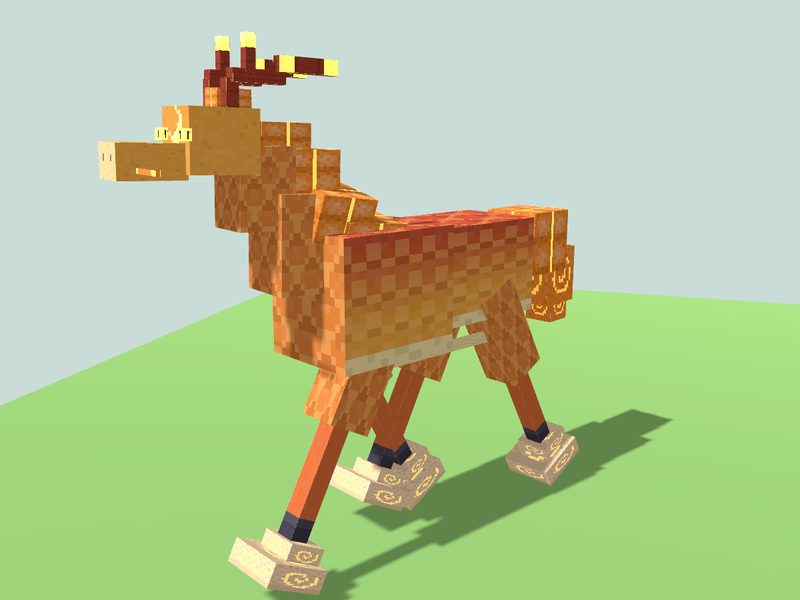
Moonkirin
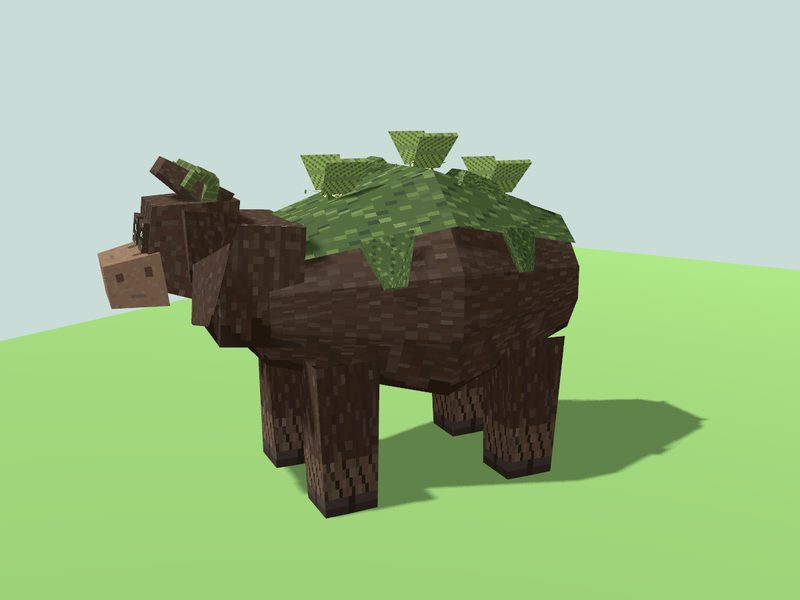
Mossmoo
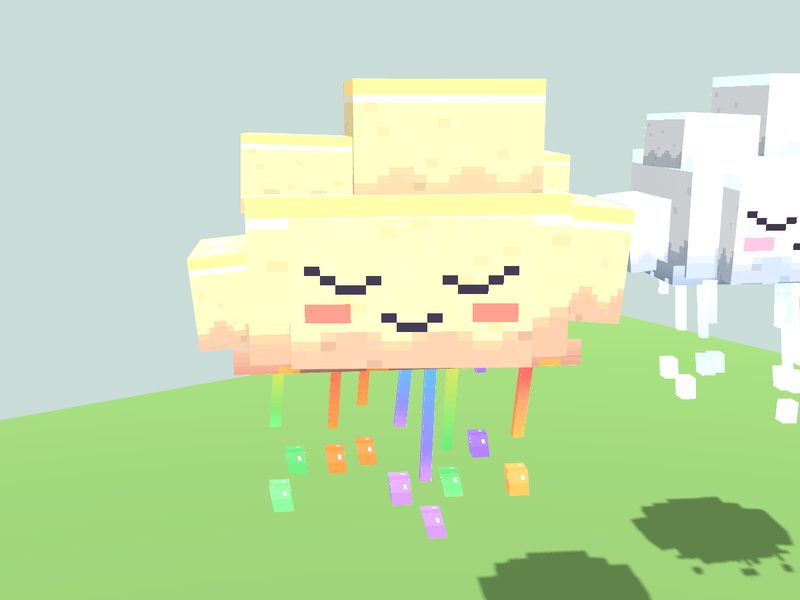
Nimbus
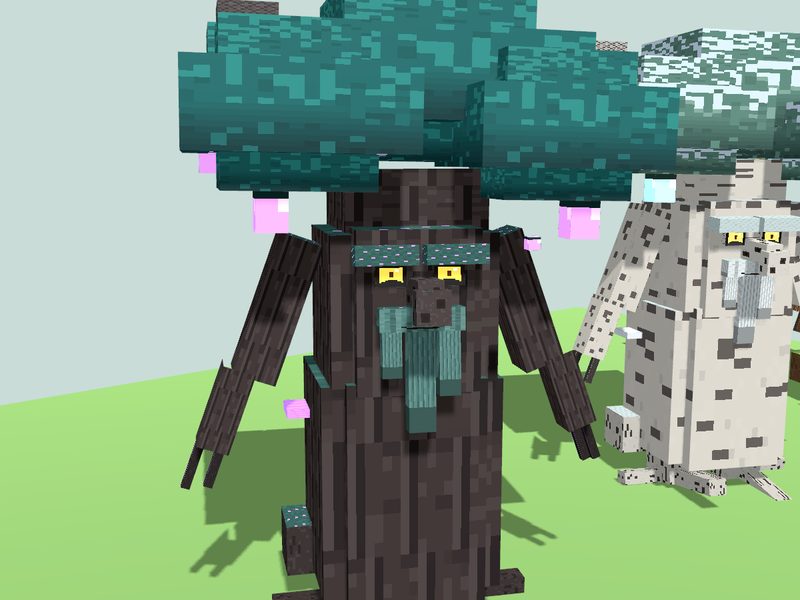
Oakheart
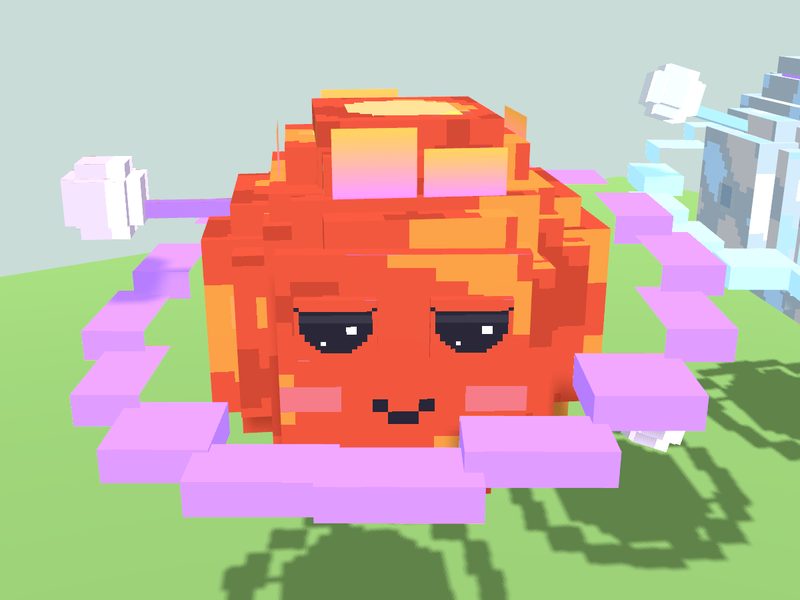
Orbling
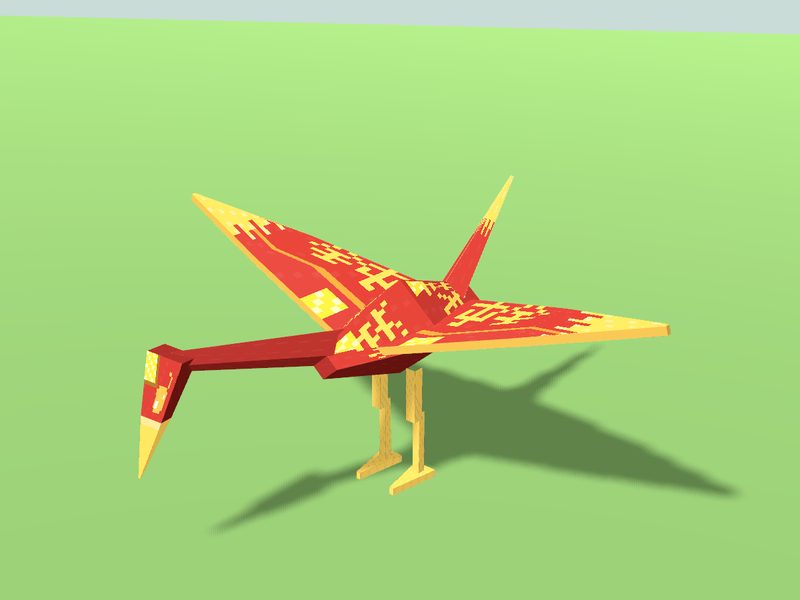
Pagecrane
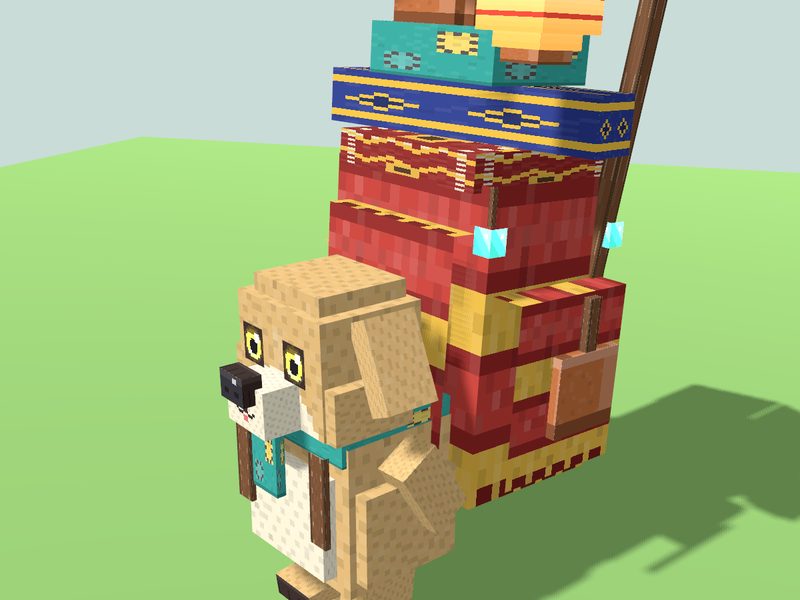
Pawtrader
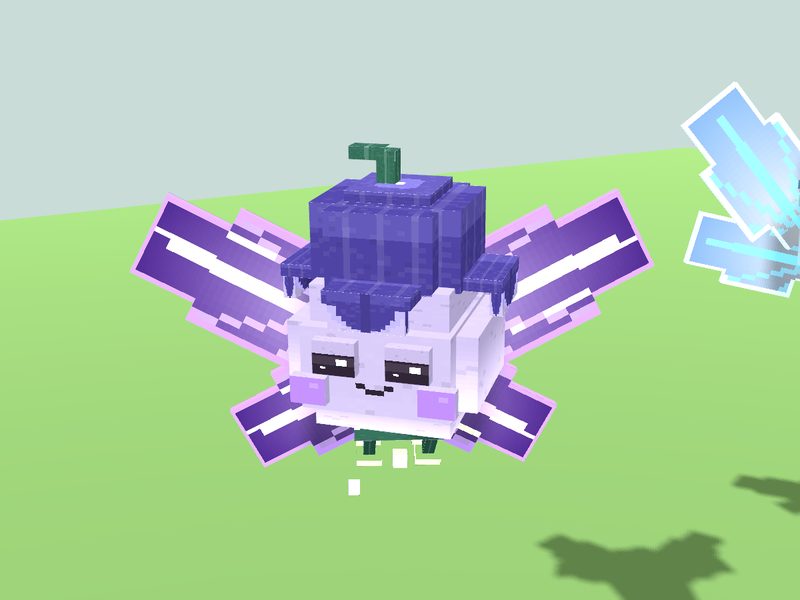
Petalfae
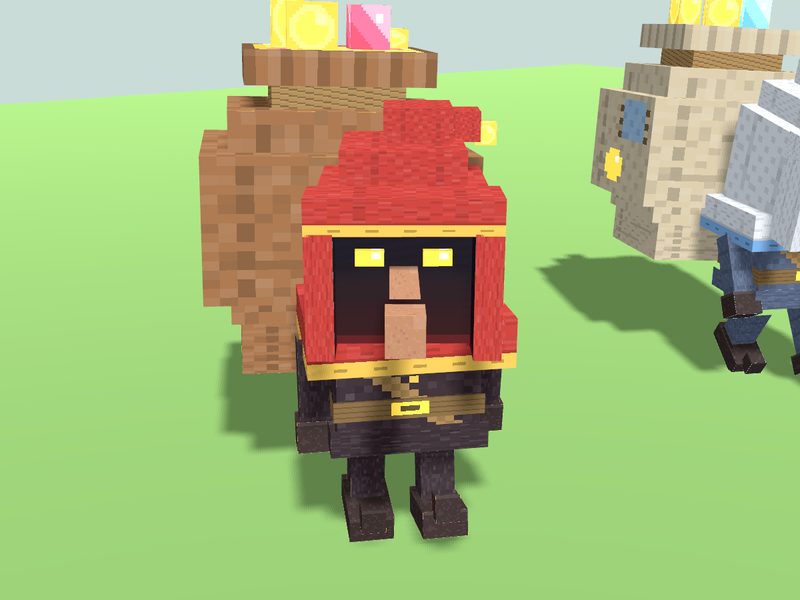
Pilferkin
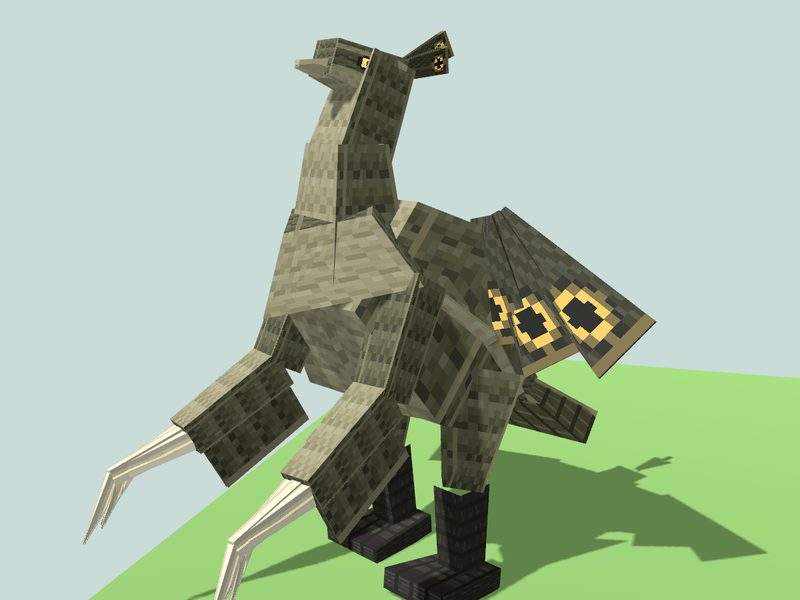
Plumeclaw
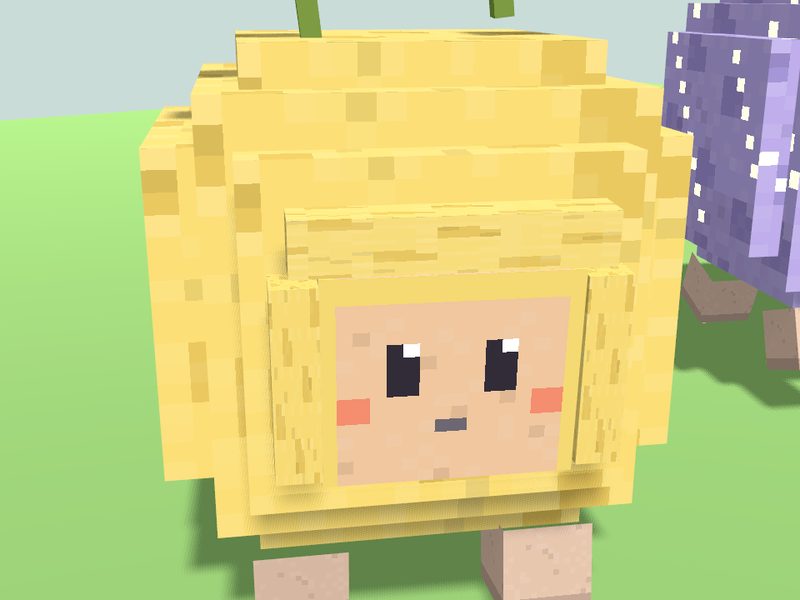
Puffkin
Round cloud of fluff on stubby legs, leaf tail; bounces, and floats down slowly when it jumps
Pat it and it puffs up; it can be sheared of fluff
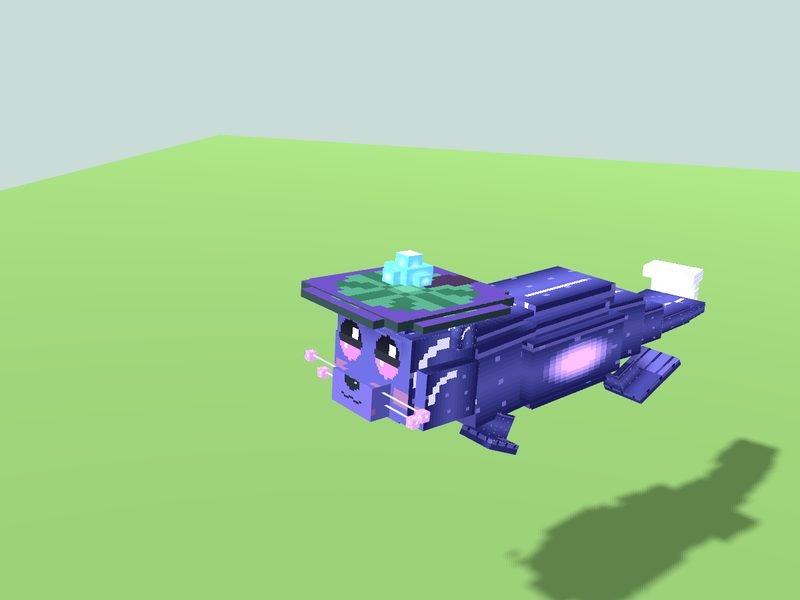
Rillsprite
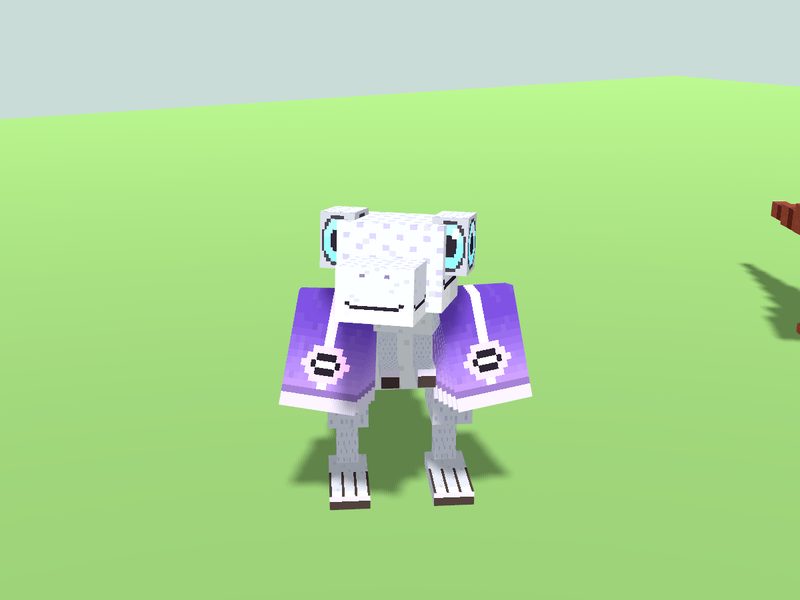
Sandskipper
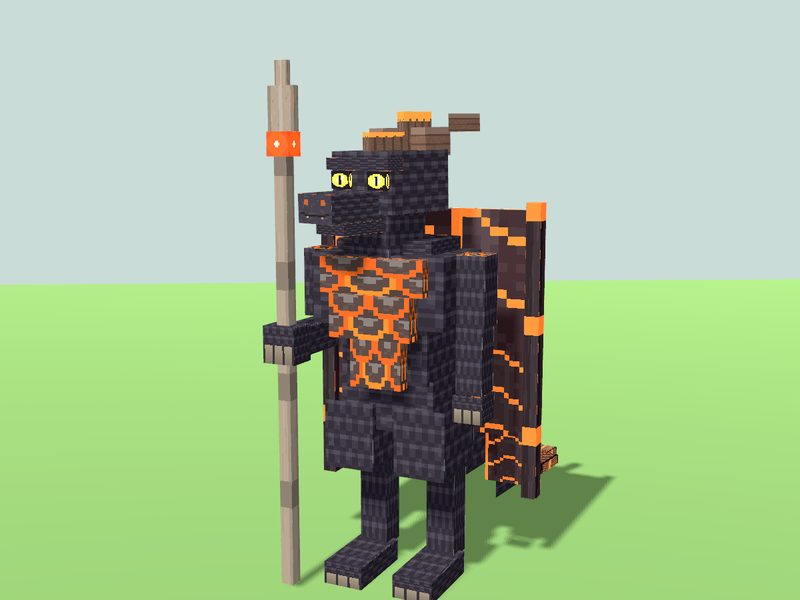
Scalewing
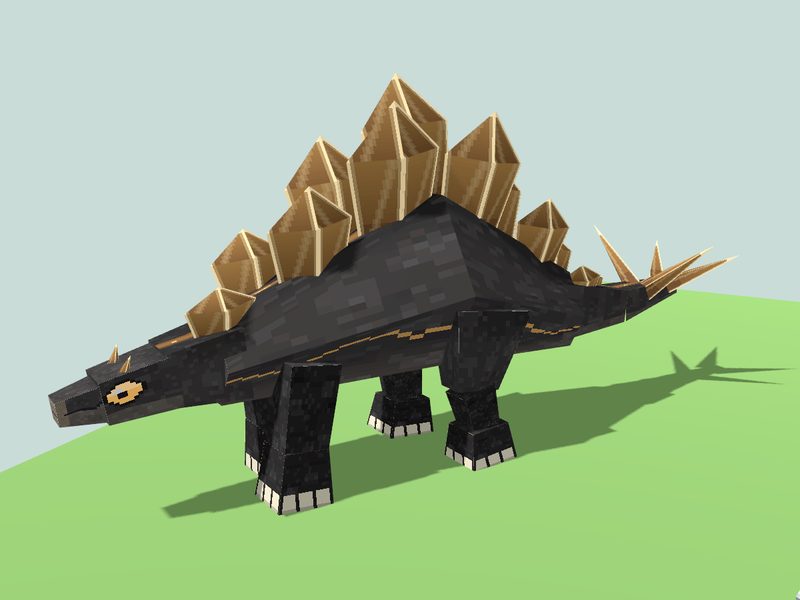
Shardback
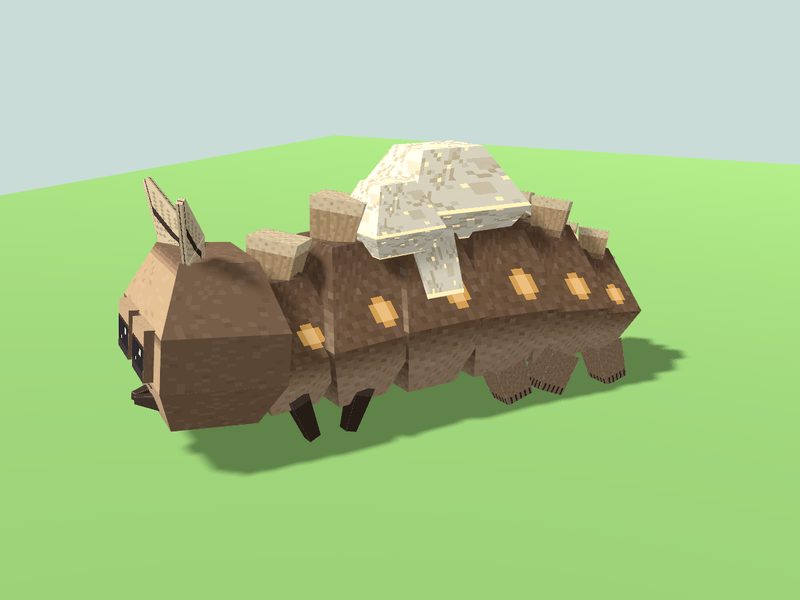
Silkgrub
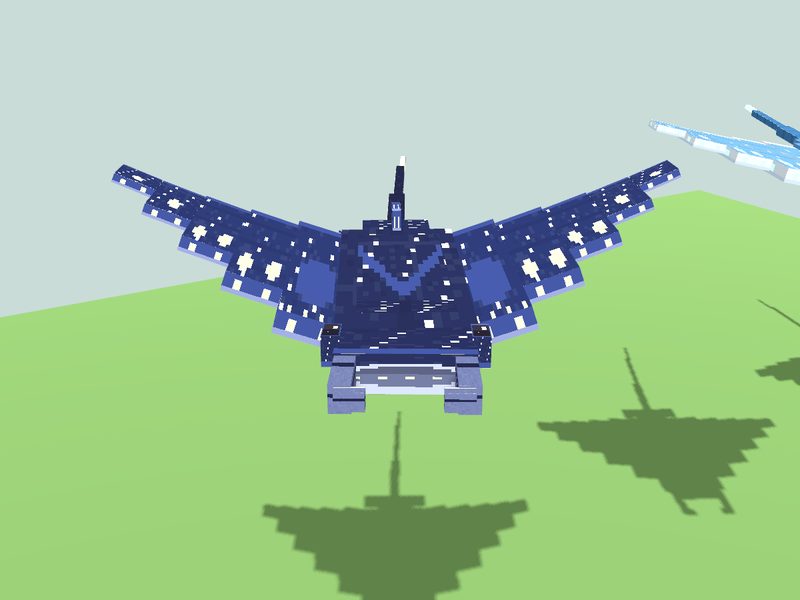
Skymanta
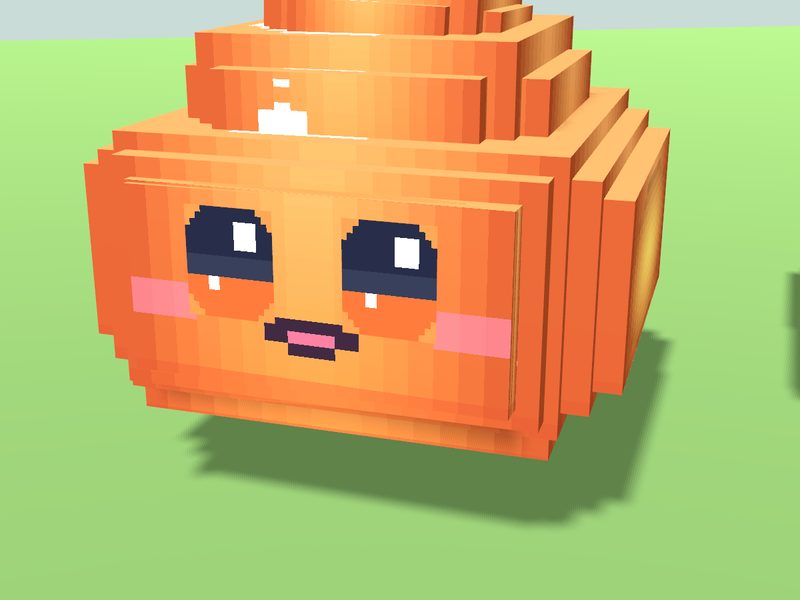
Slime
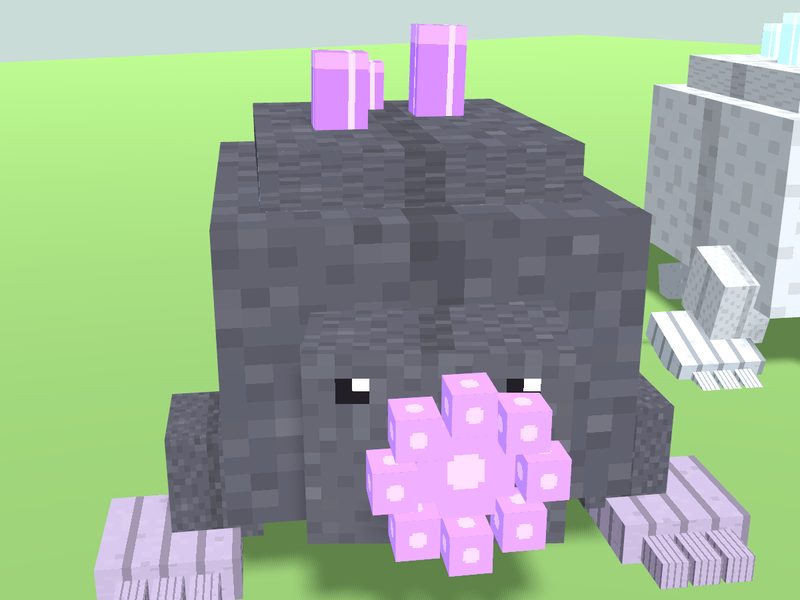
Starmole
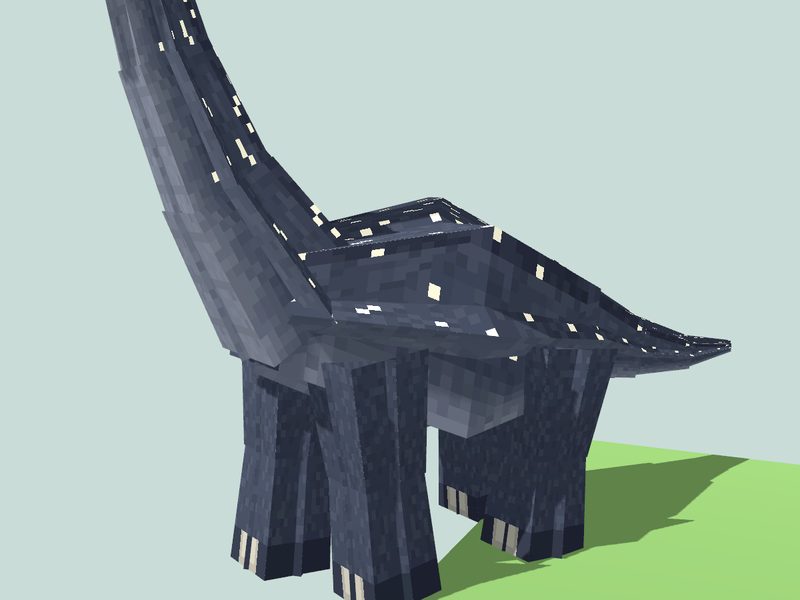
Starneck
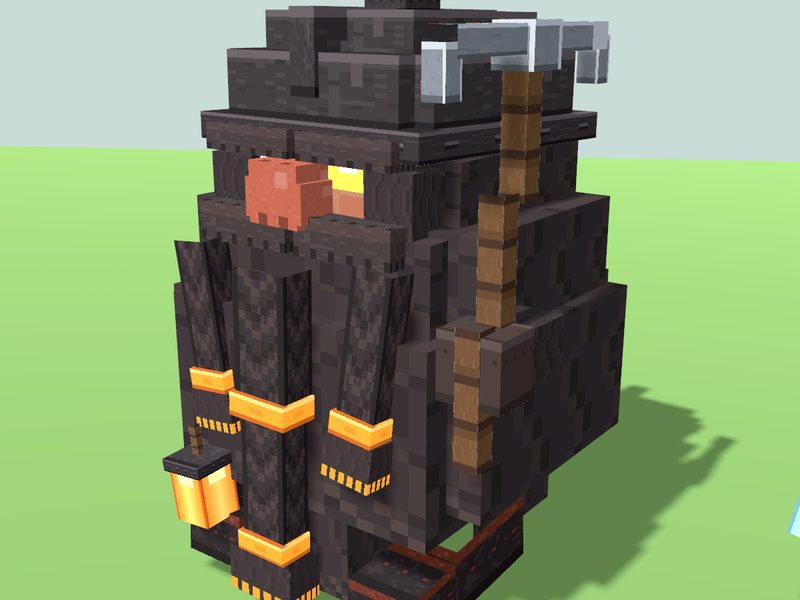
Stoutbeard
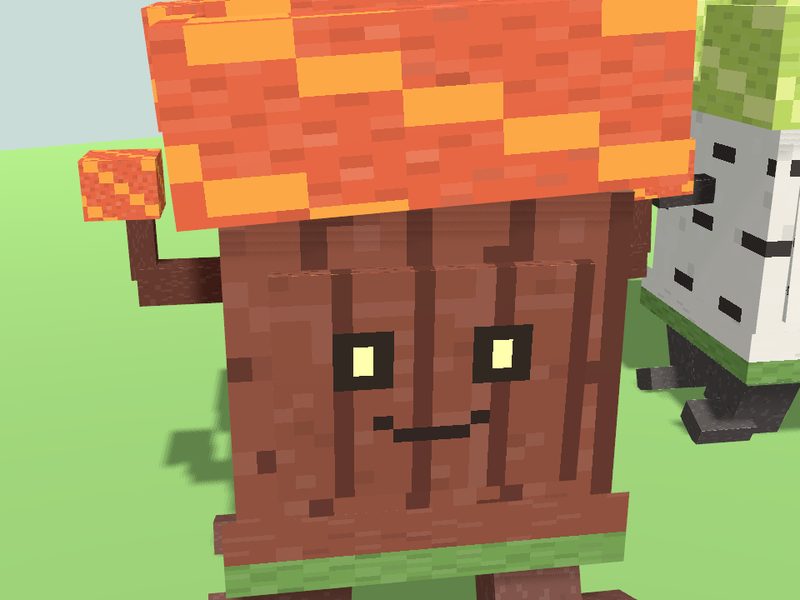
Stumpling
Walking tree stump on root legs with a leafy crown; waddles
Water it or pat it and it plants a sapling nearby
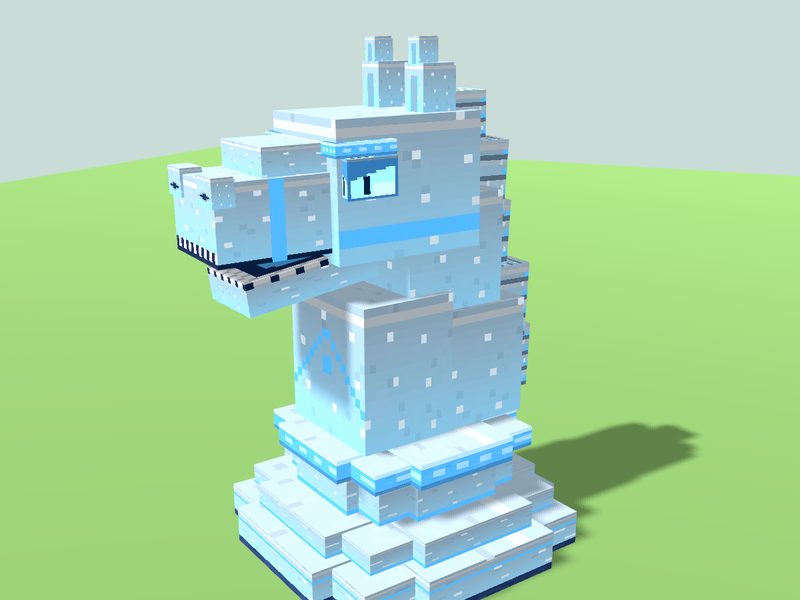
Checkknight
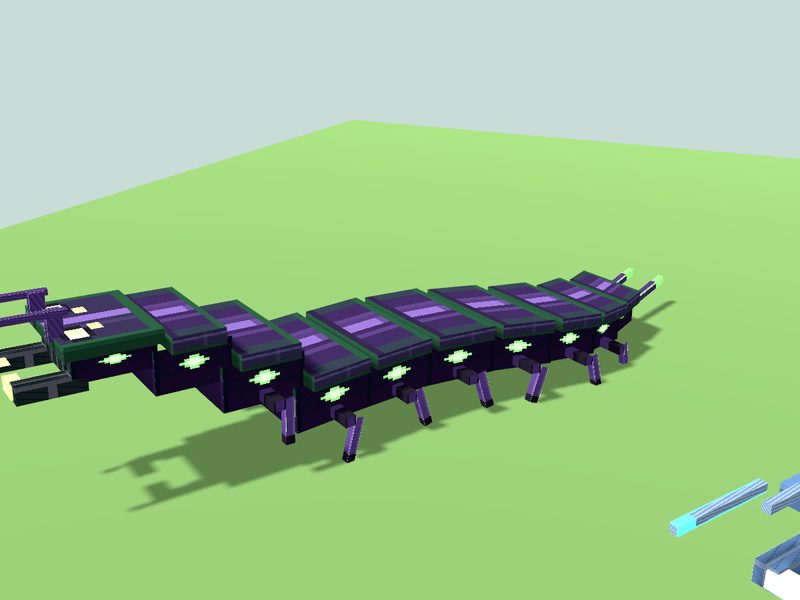
Coilcrawler
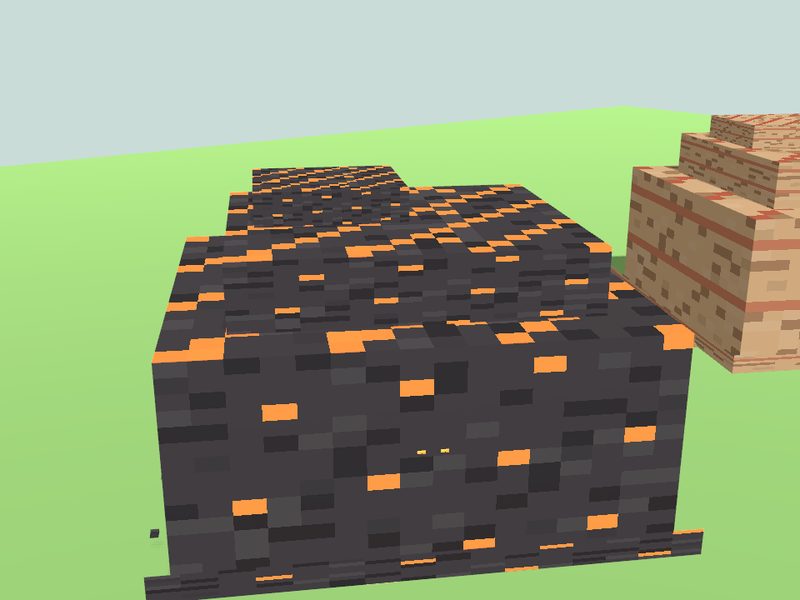
Cragjaw
Ambush brute: lunges and snaps twice
Ambush charge when you walk past
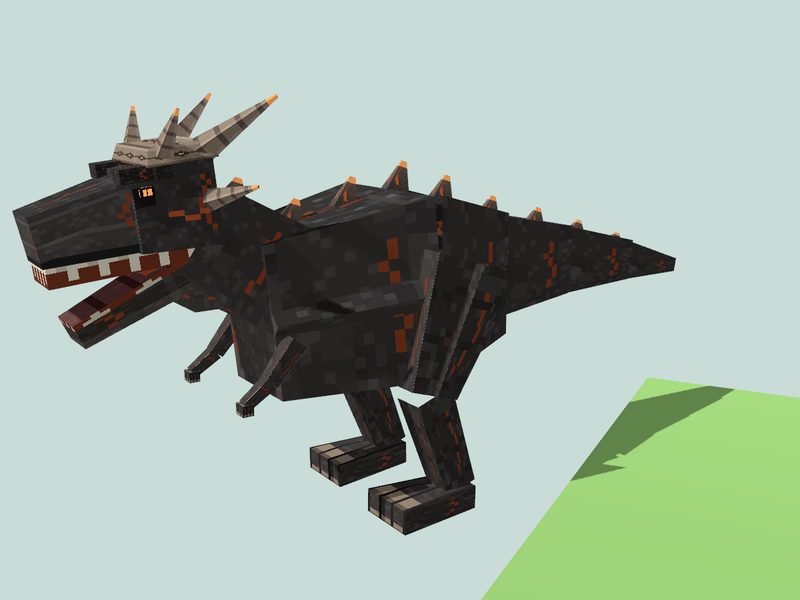
Crowntyrant
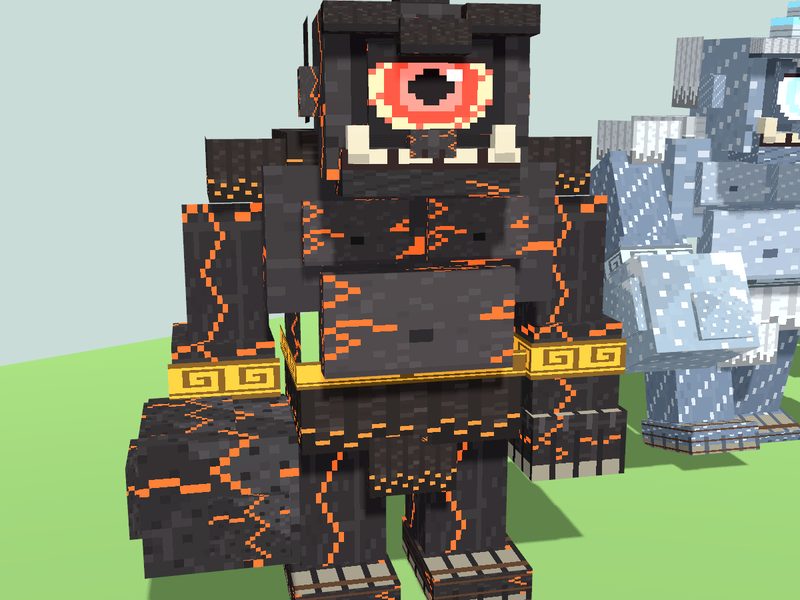
Cyclops
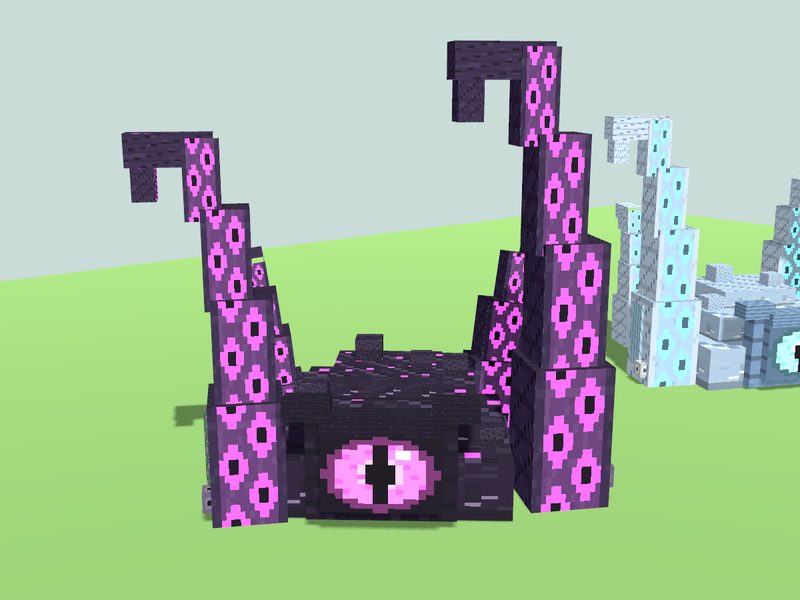
Deepgrasp
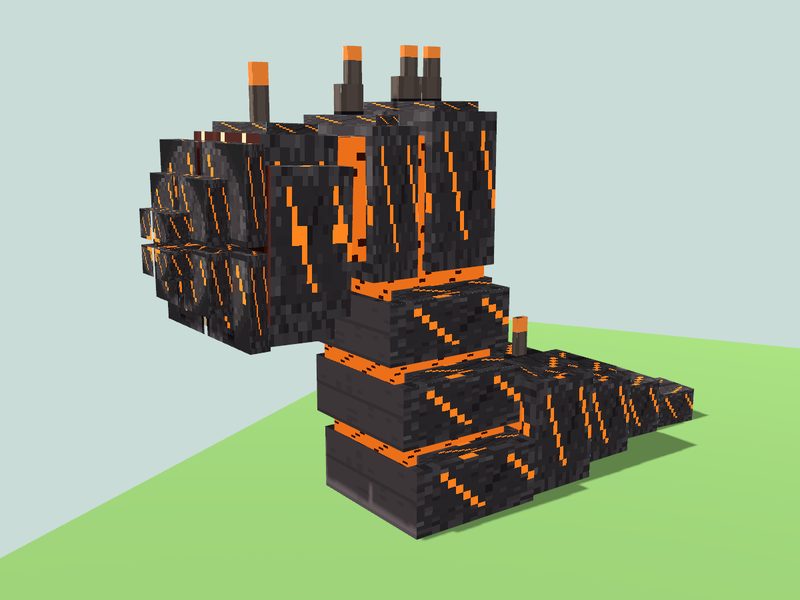
Dunemaw
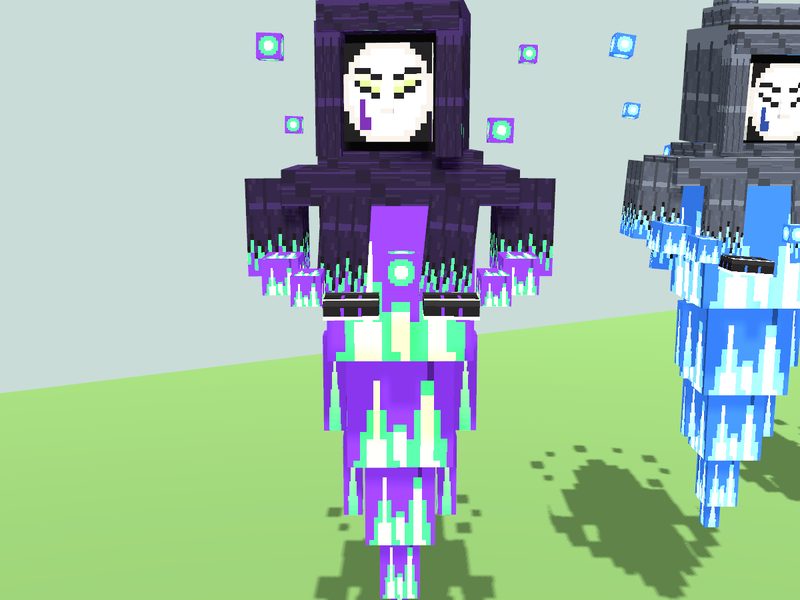
Flarewraith
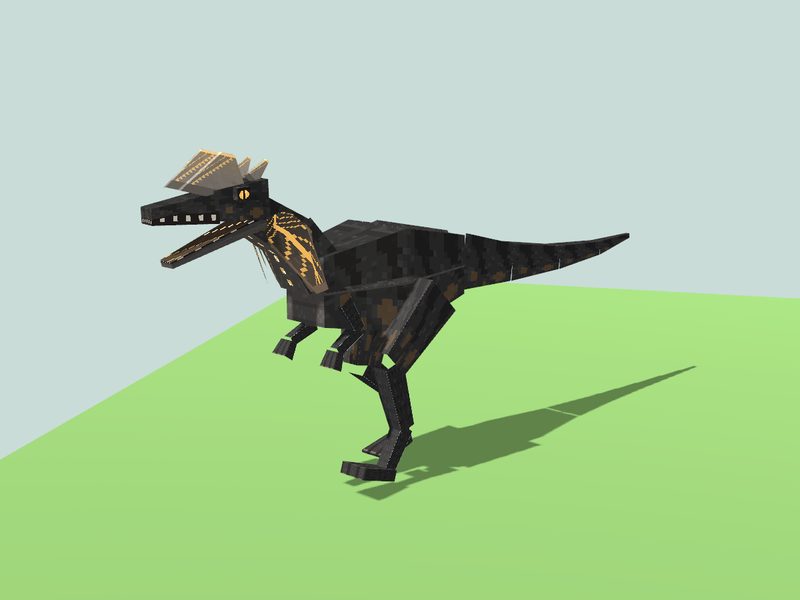
Frillspitter
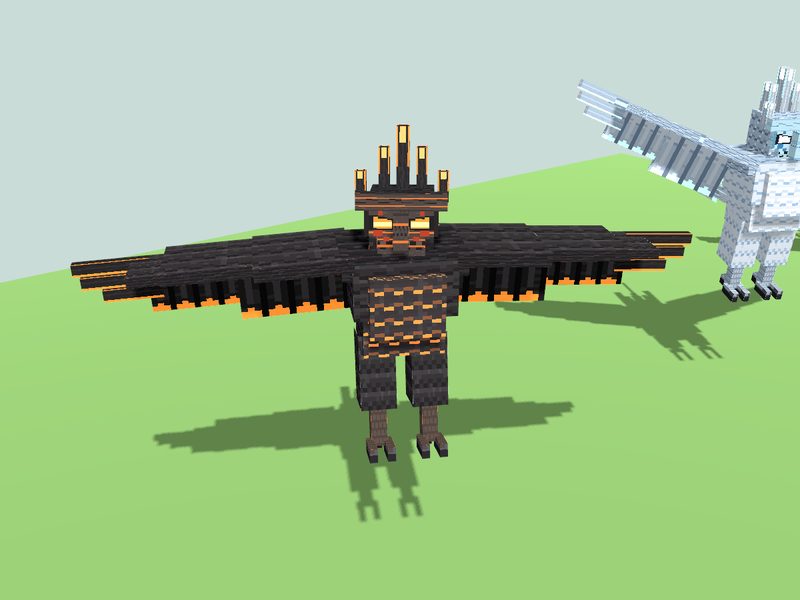
Galeharpy
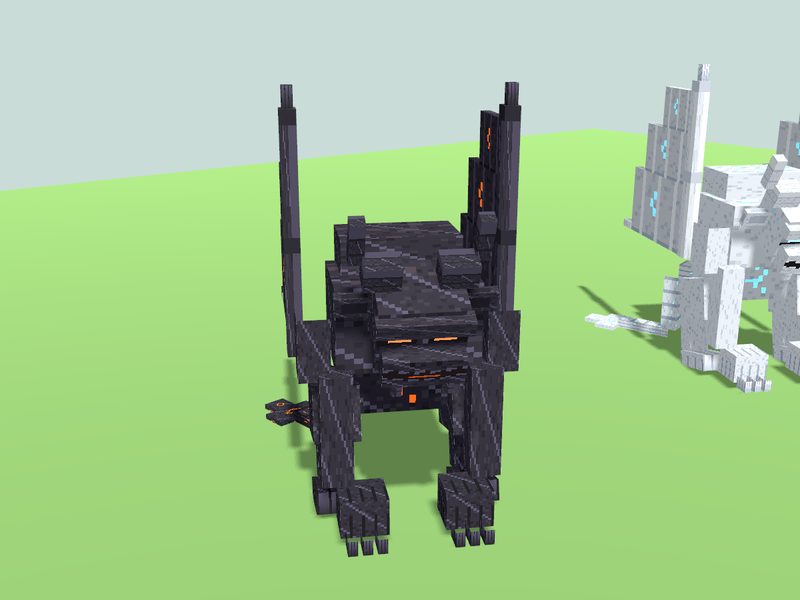
Gargoyle
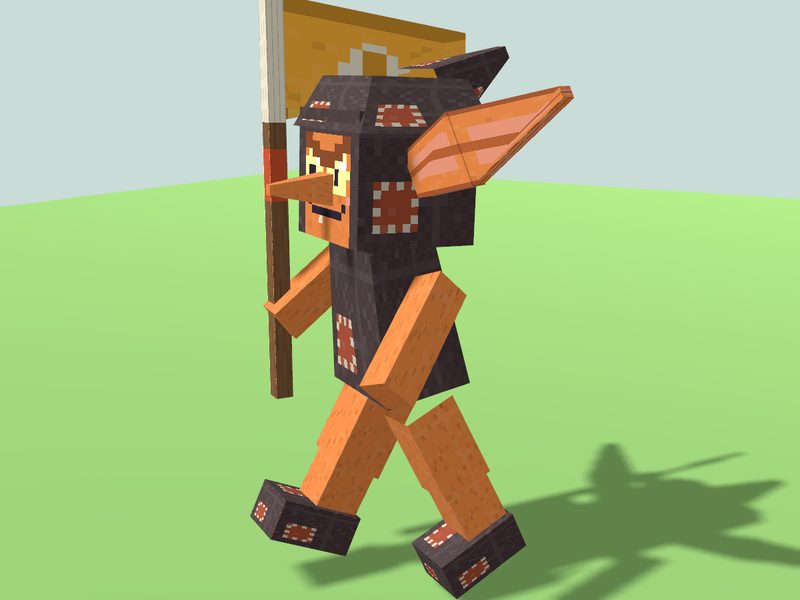
Gobscout
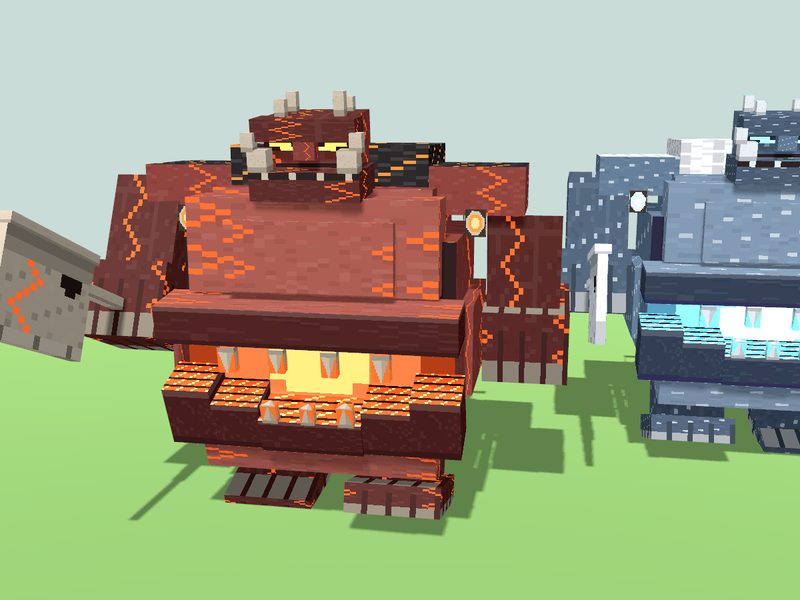
Gorgemaw
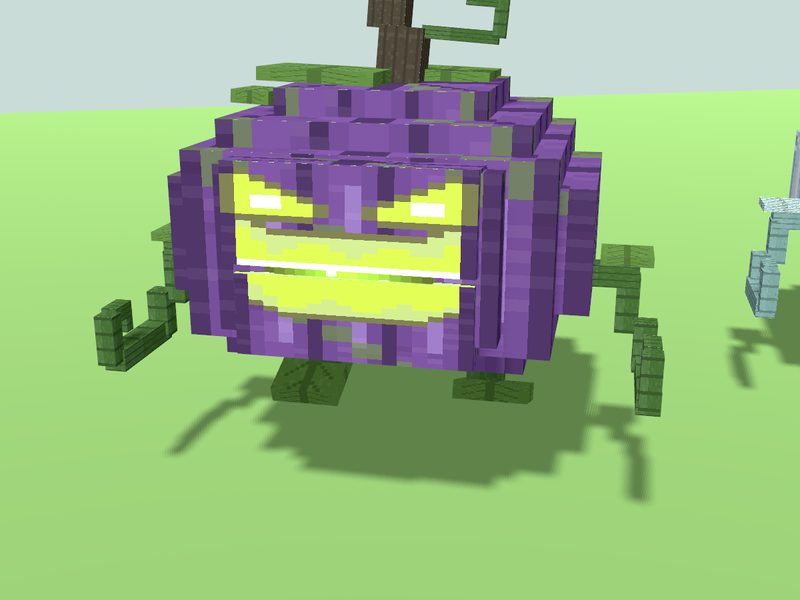
Gourdling
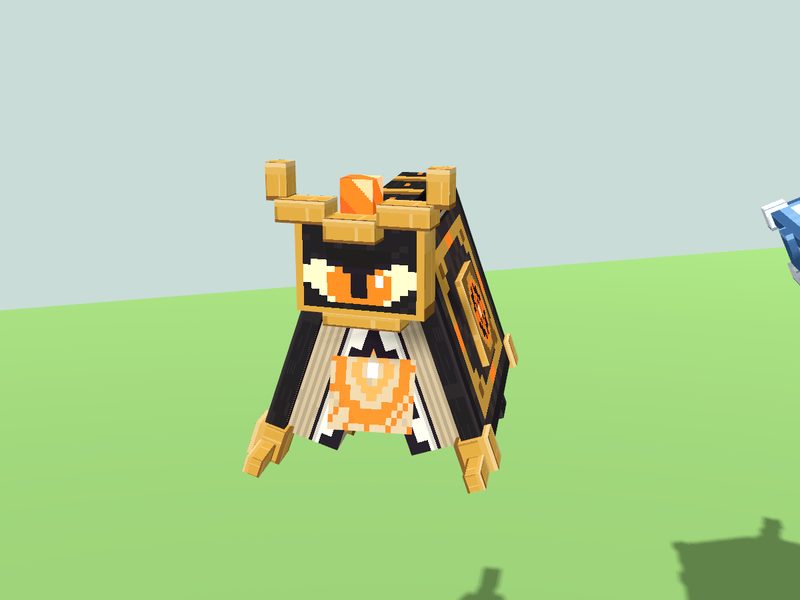
Grimoire
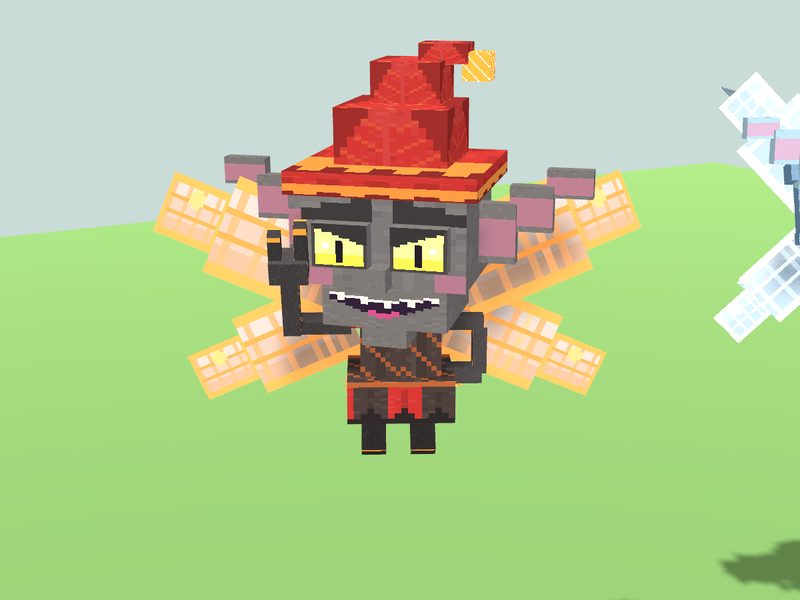
Hexling
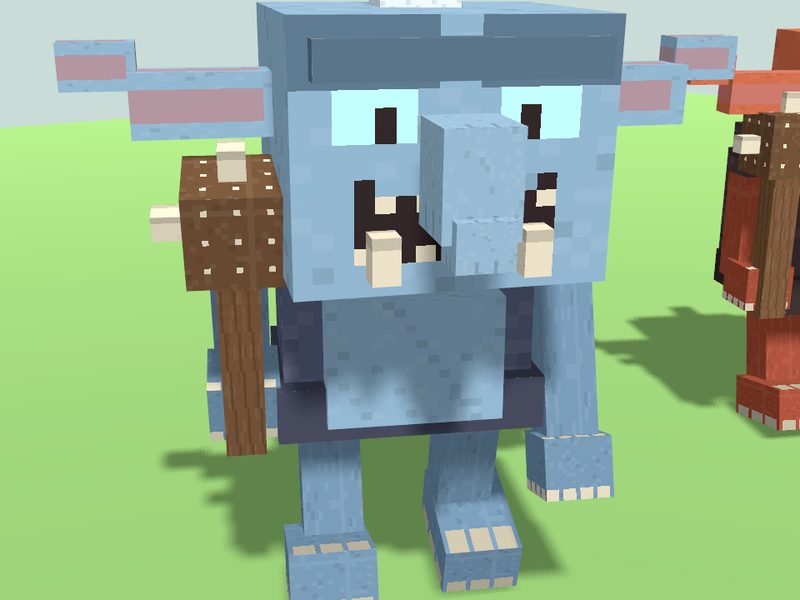
Hobgoblin
Pack skirmishers: the leader in front, the rest hold posts and take your back
Rushes in, cackles, winds up and clubs
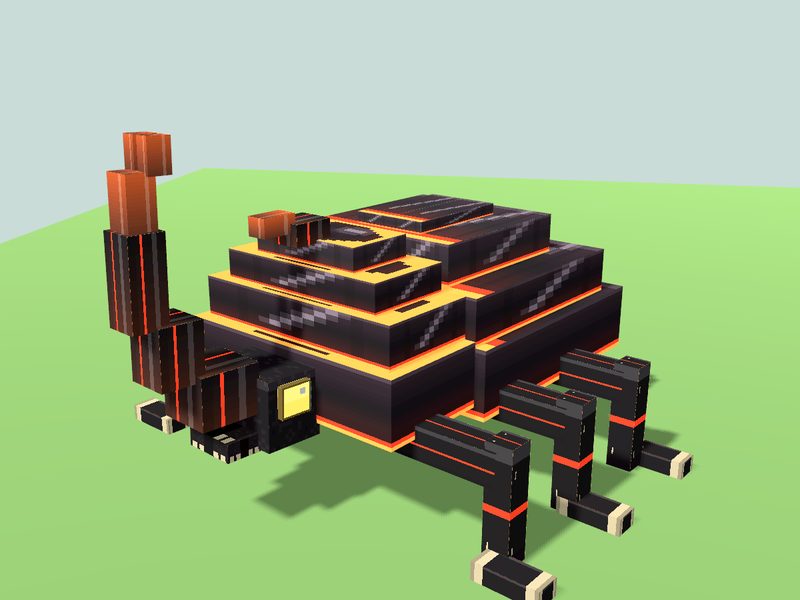
Hornbeetle
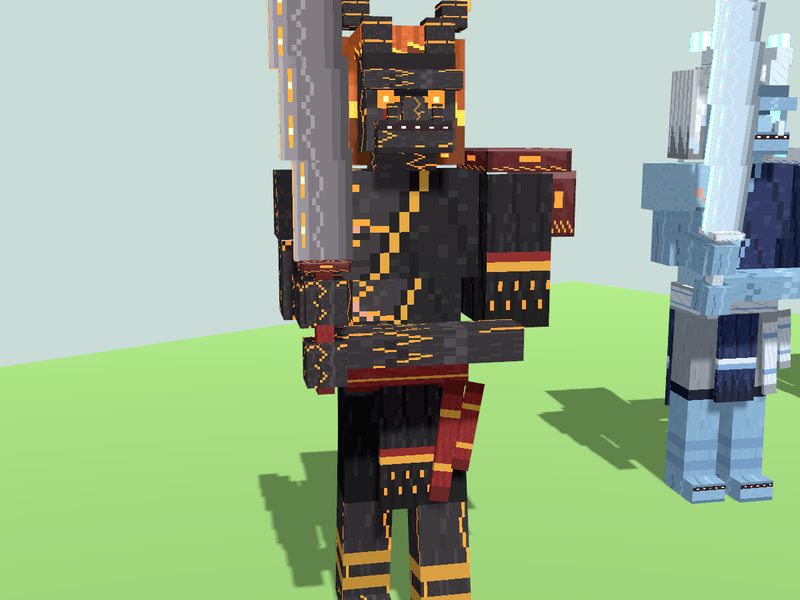
Hornblade
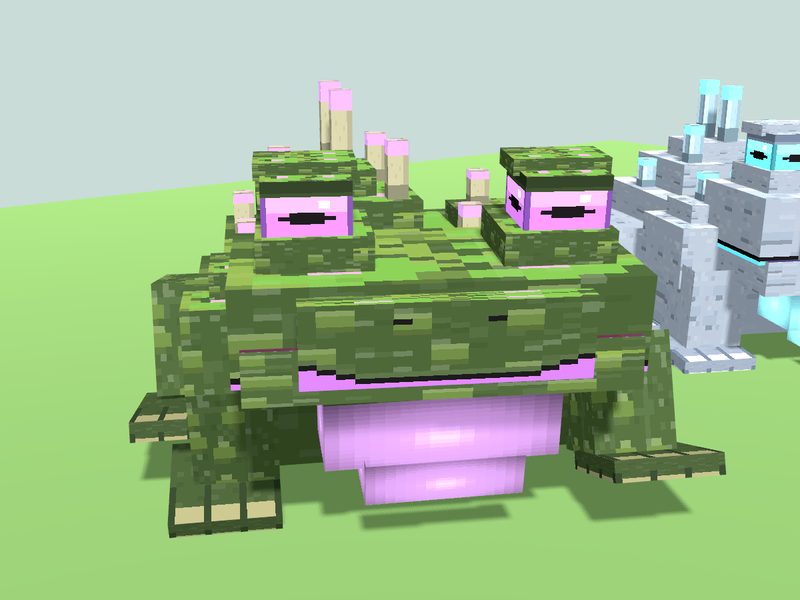
Lancetoad
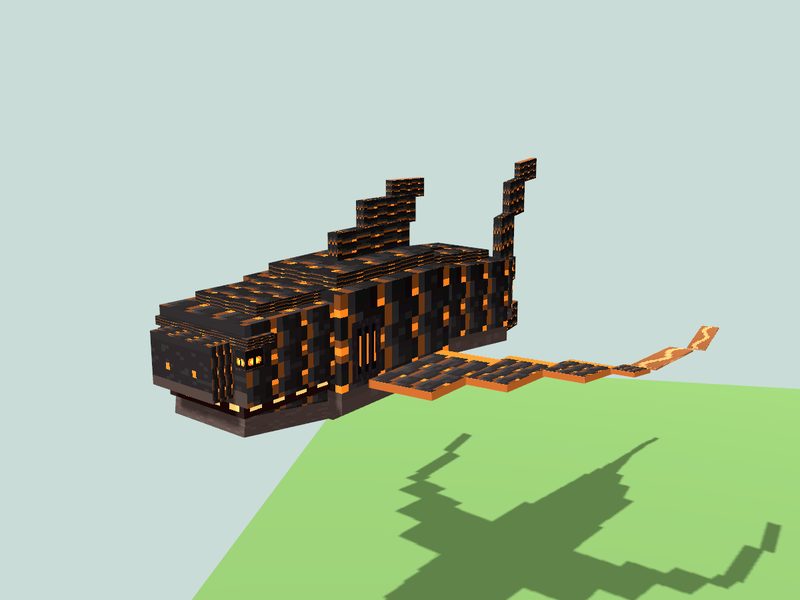
Maelshark
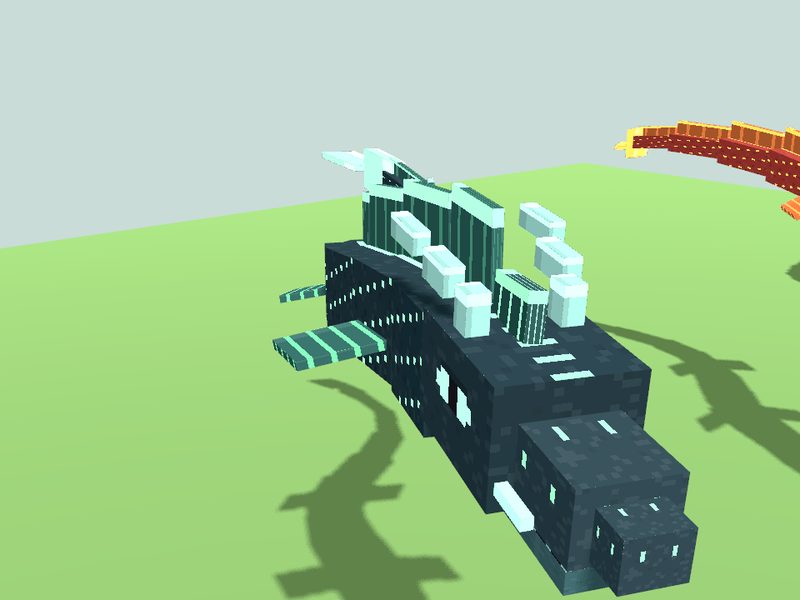
Manawyrm
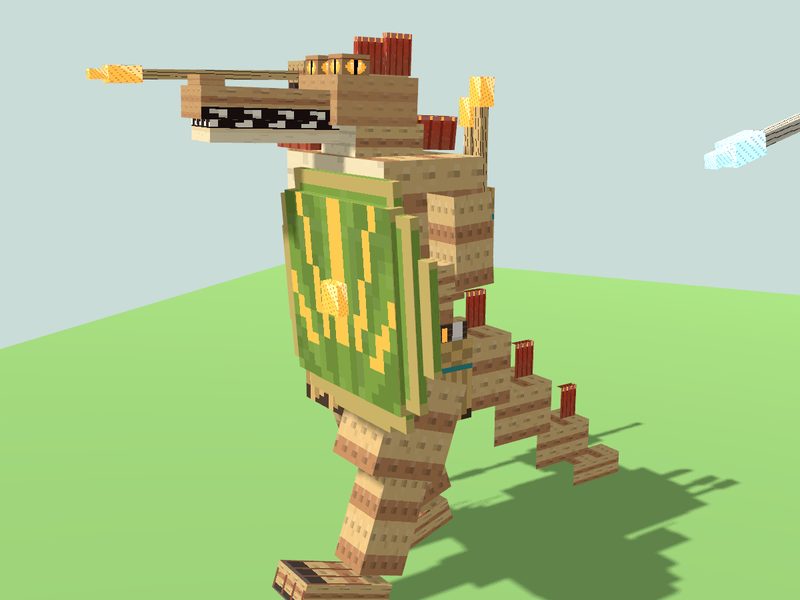
Marshscale
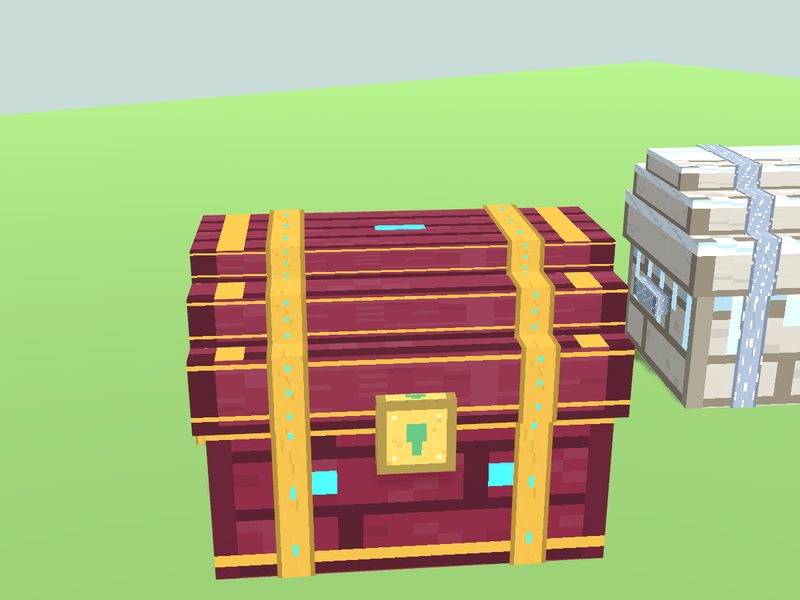
Mimic
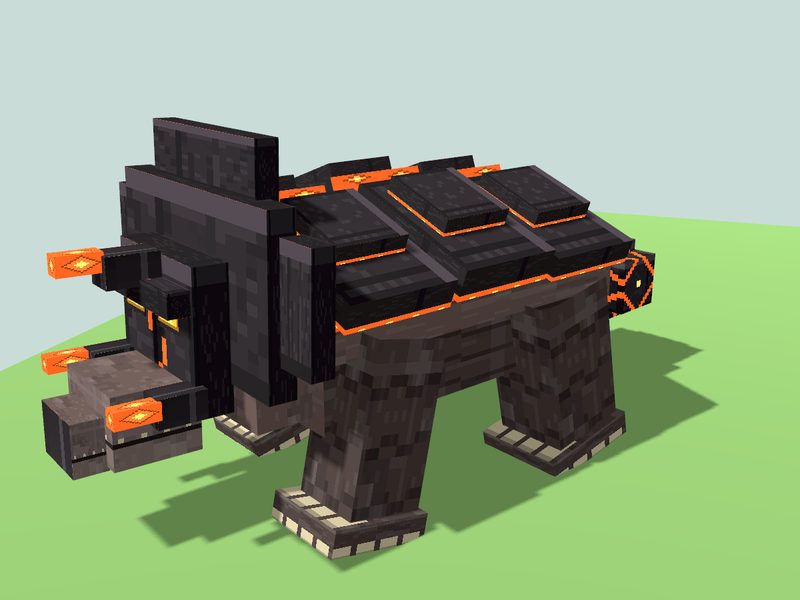
Plateback
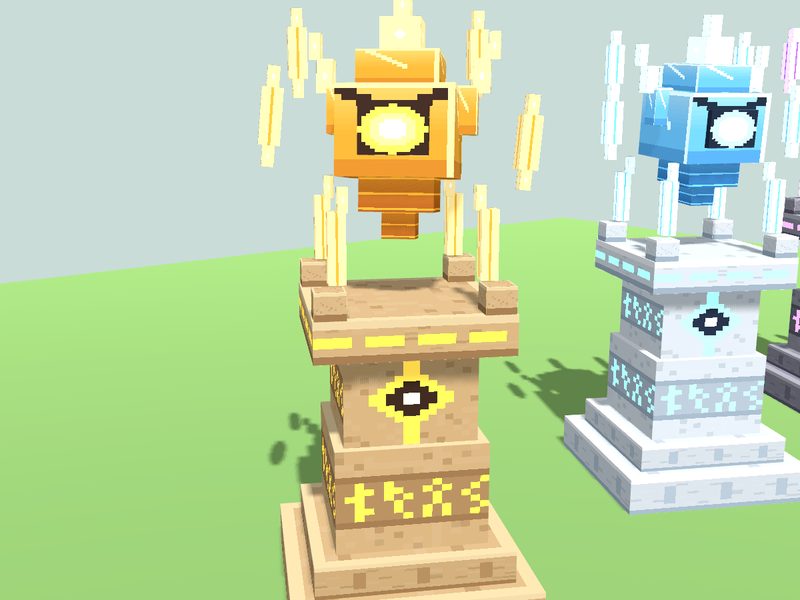
Prismhead
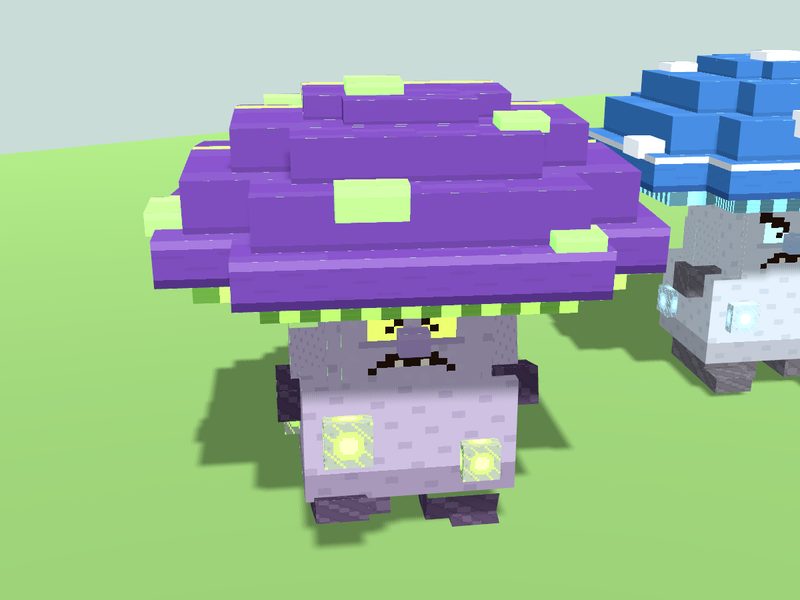
Puffcap
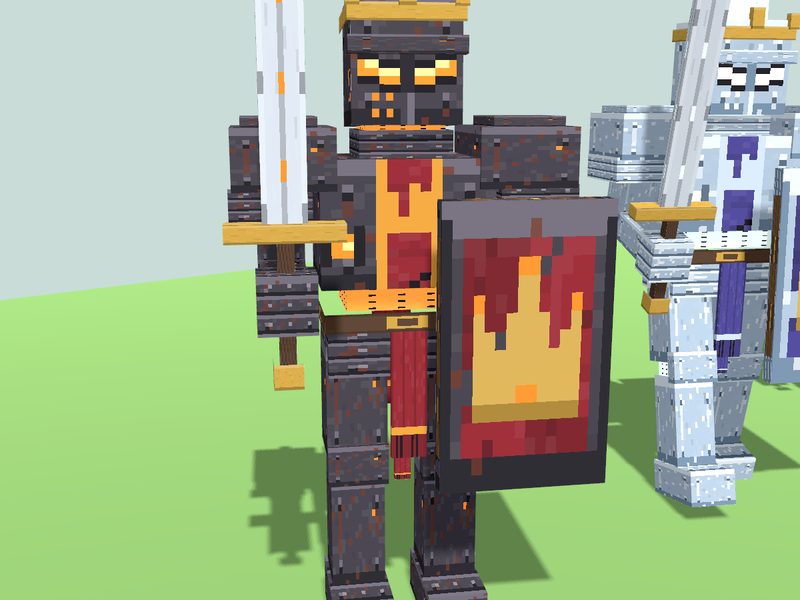
Rustknight
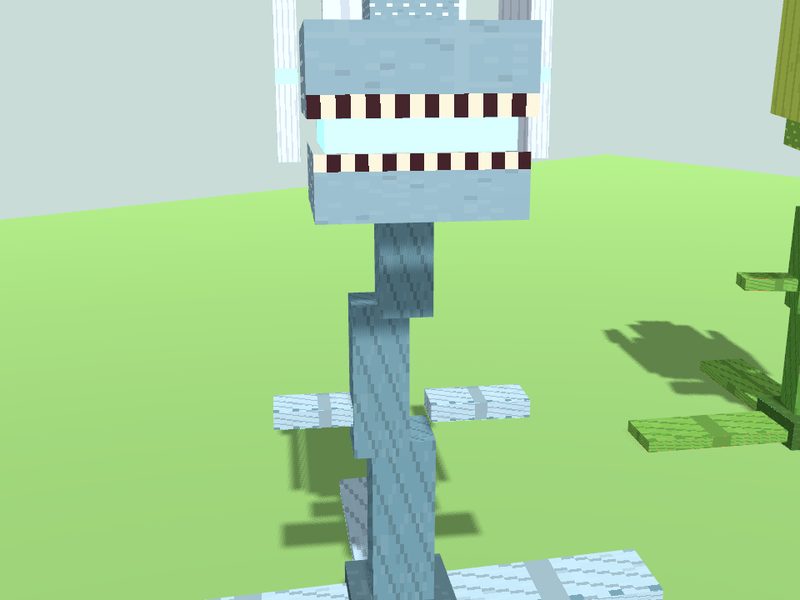
Snapvine
Rooted: wide whip then two snaps
Snaps at anything that walks into reach
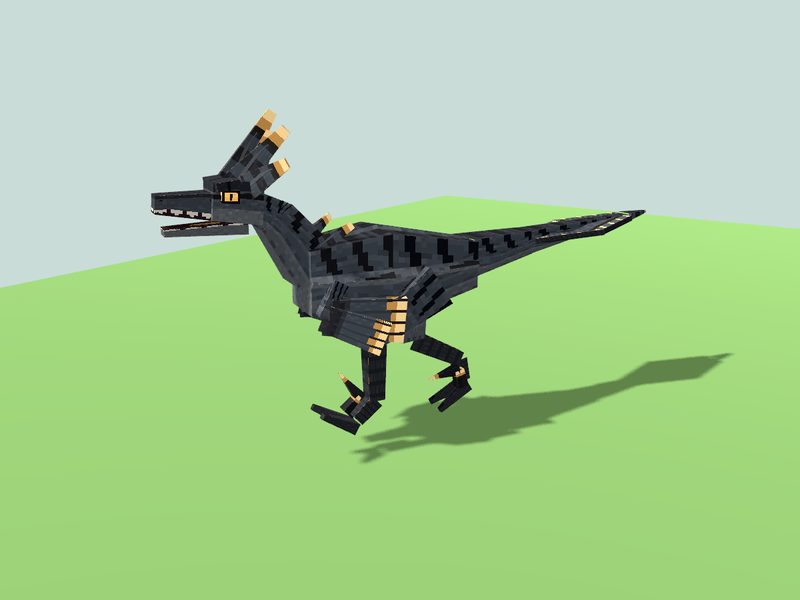
Sparkraptor
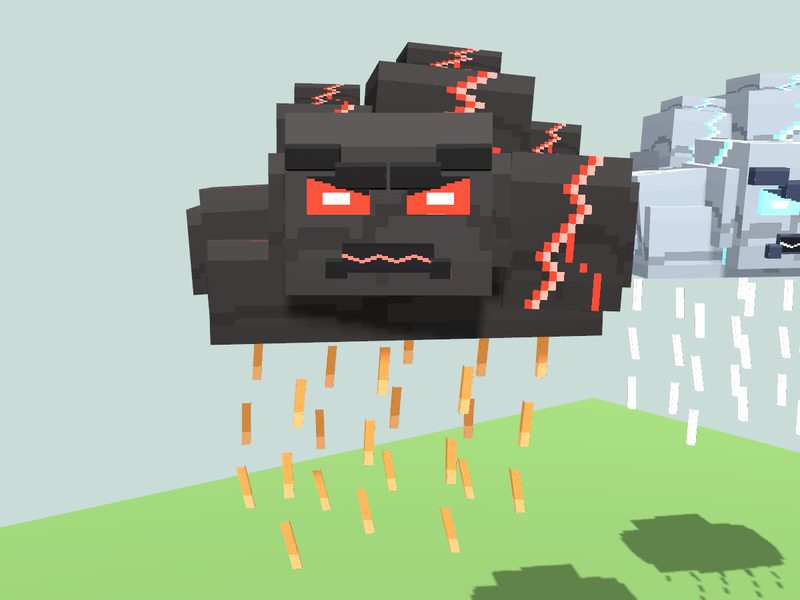
Stormpuff
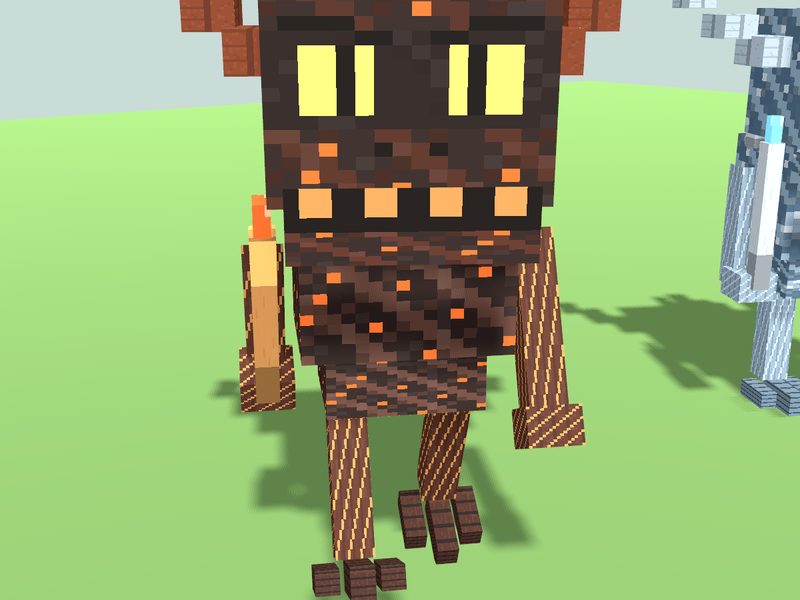
Thornling
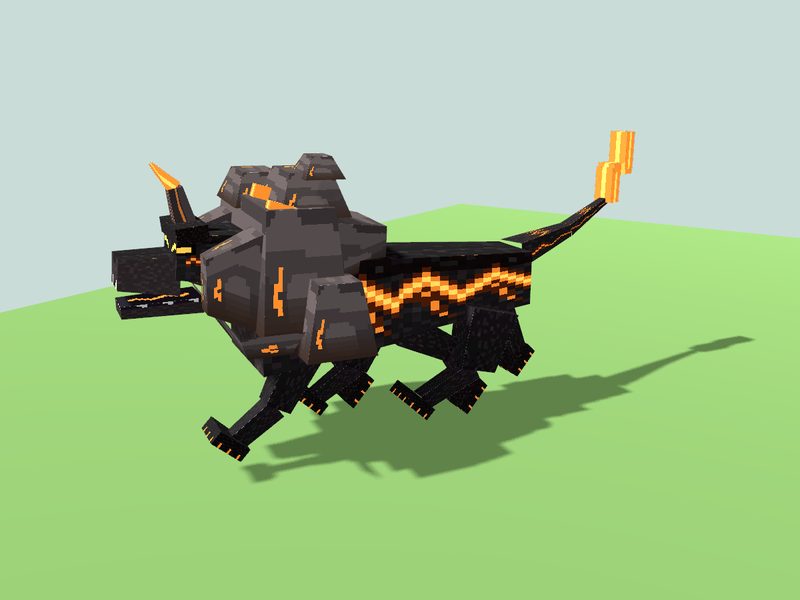
Thundermane
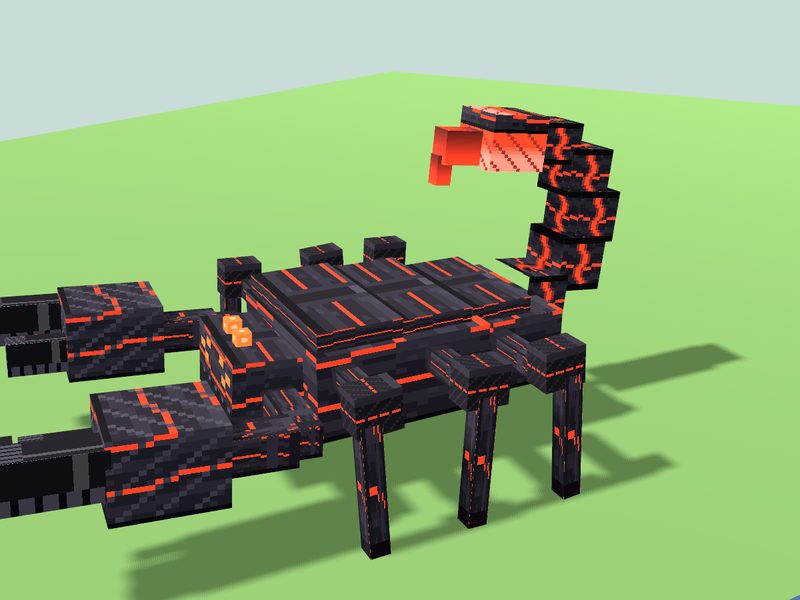
Tickstinger
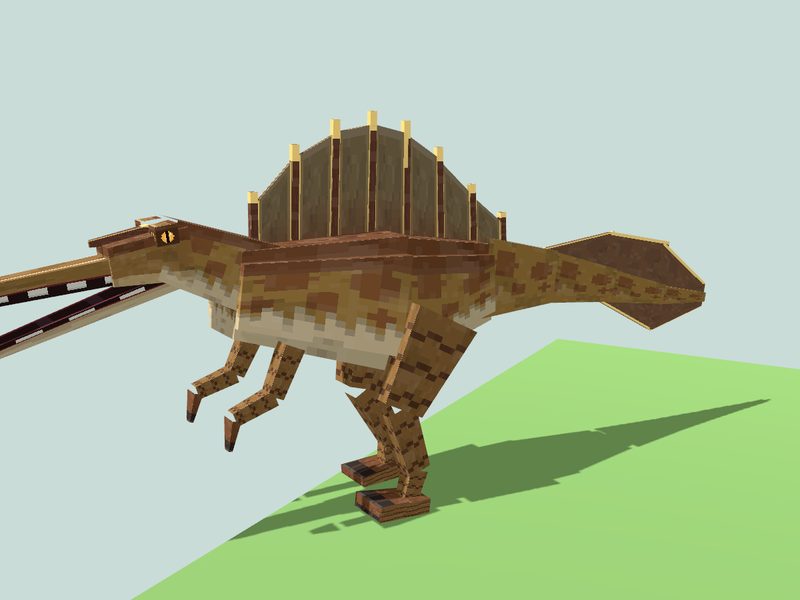
Tidesail
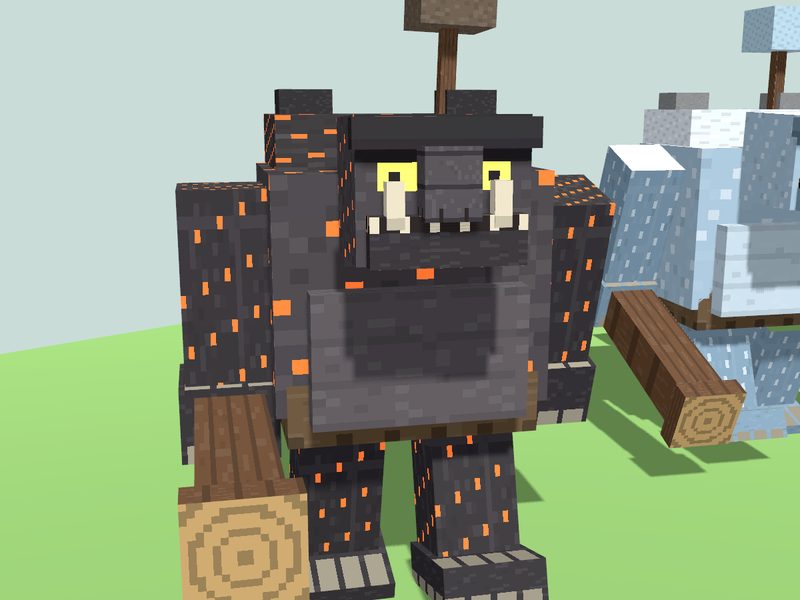
Troll
Three metre stone-hided brute, mossy hump with a sapling, log club; lumbers
Opens with a roar that slows you, then mixes a plain smash, a wide sweep, an overhead slam on the spot you stood in, and a rock thrown after you if you keep away; spins all the way round if you run rings round it, answers a hit with a quick counter, and shuffles round you between blows
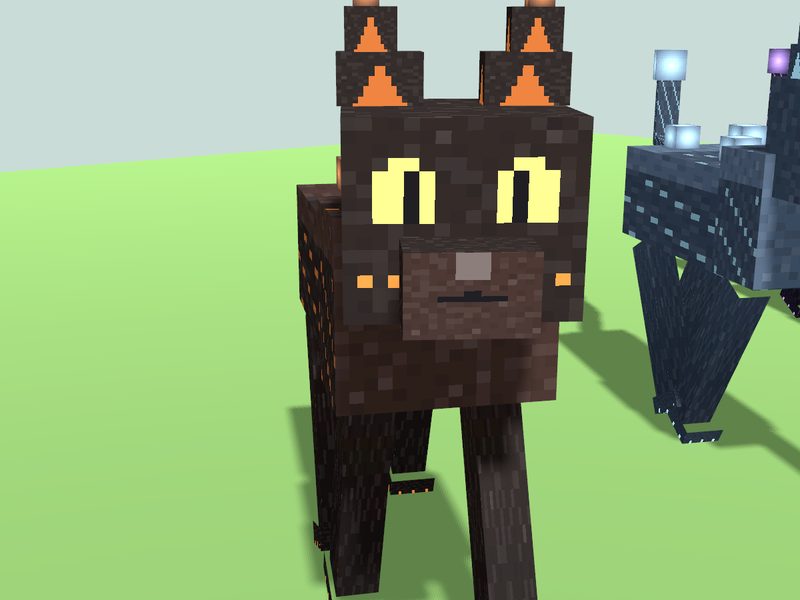
Umbral
The pigs, pond frogs, wyrmlings and shellbacks that came before this roster are still here too, and Ember Mesa has its own boars, scorpions and seven named orcs.
Combat
Tap for a light attack, hold and release for a heavy one. Damage comes in three kinds: blunt from fists and tools, piercing from swords, hacking from axes. A sword kills a pig or a moth fastest. A troll, cragjaw or gargoyle wants an axe. Armour runs from soft hide to stone and changes the answer.
Hostiles chase along real routes through the terrain, sized to their bodies, and a wall you build changes their path at once. Each species has a rhythm: the troll's huge telegraphed smash, the rustknight's shield you have to circle, the mimic's false snap you must not swing at.
In the game now
- Fists, sword and woodcutting axe, plus improvised tools. Heavy hits stagger ordinary creatures for a moment.
- Ranged weapons: a shortbow that draws for longer shots, an armour piercing crossbow and a rapid blowpipe.
- Magic in three schools: fire bursts, frost slows, arcane hits hard when held. Spells draw on mana, swings on stamina.
- Kills burst into 64 small cuboids sampled from the creature's own colours. Hits chip. There is no blood.
- Directional hit feedback, sound and haptics, a short impact pause, and no camera motion in the headset.
- Hostiles grow stronger with distance from spawn, 10 percent health and 6 percent damage per 256 blocks, with no ceiling.
- Defeat sends you back to camp with your backpack.
Next
- Spears, maces and shields, each with its own handling.
- Weapon traits from creature ingredients at the resonance desk: a bellhorn eye for critical chance, troll sinew for longer staggers.
- Authored boss encounters at world sites, starting from the manor's chess hall and the arena floor.
Skills and progression
Seven skills level as you do the thing: mining, woodcutting, digging, swords, axes, unarmed and riding. Levels never cap. Each gain rolls between 40 percent and the full value for what you gathered or killed, and a top roll floats up in a special colour. Experience from a kill arrives as up to eight glowing motes that fly from the body to you.
Passives and powers
- Bounty doubles a haul on a lucky roll, more often as you level.
- Shiny finds in green, blue and purple. Blue opens at level 10, purple at 25.
- Quarry Rush, Timber Rush, Burrow Rush: ready the tool in the hand that holds it and the next strike starts a burst of triple speed.
- Piercing Flurry, Hacking Frenzy, Stone Fists: the same idea for swords, axes and fists, at 1.6, 1.6 and 1.8 times damage.
- Powers last three seconds plus a tenth per level, up to 30, with a three minute cooldown.
Fair play rules
- A block you placed pays nothing when you break it again. No experience, no bounty, no finds.
- Riding pays for ground covered, every 24 metres, so a journey levels and fidgeting does not.
- Your power level is the sum of your skills, shown at the top of the skills page.
- Skills save per player on the server, so they follow you between sessions on the same world.
Next
- Real rare items to replace the shiny placeholders, and creature specific trophies.
- A power you ready from the saddle.
- A wrist skill panel in VR, level up sounds, and a leaderboard by power level on shared servers.
Riding
Hold a saddle, reach for the creature you are looking at, and you are up. Your own movement drives it with that creature's handling: a frostyak lumbers and rolls, a dashcrest darts and floats down from a jump. Everyone sees you in the saddle. Climb down and the saddle comes back to your hand.
Every mount has one perk of its own. The goblins have already worked it out: gobriders come as a pair, goblin on top and dashcrest bird underneath, each with its own health.
On the ground
- Frostyak: a pack animal. Its saddlebags open three more satchel pages while you ride, and keep what they hold.
- Loamsnout: digs soil, stone and crystal for you, better as your mining level rises.
- Moonkirin: hostiles leave you be.
- Hornsinger: a warning call sends nearby hostiles backing off.
- Shardback: half damage.
- Gemdome: twice the shiny finds.
- Bellhorn: browses seeds and petals into your satchel as it walks.
- Glimmergoat: hold jump against a wall to climb it.
- Dashcrest: your blows land half again as hard.
In the air
- Skymanta: a glider that never stops. Step off mid air and you drift down gently.
- Nimbus: hovers, and heals you as you ride.
Next
- If a creature has room on its back, I will try to make it rideable. The candlehorn is next, once its saddle sits on its stepped back.
- Taming, so a wild mount is earned rather than issued with a saddle.
- A riding power.
Farm animals and food
Nine species give produce when you touch them. The animal turns to you and nods, a puff in the produce's colour rises, and the produce shrinks away and regrows. Cockatrices and gildgeese lay eggs on the ground while you are near. Shellbacks grow a garden on their shell that you can pluck.
Meals are held in one hand and eaten from the other, portion by portion, and other players see every bite. Recovery comes after five seconds without being hit, one health a second.
Who gives what
- Mossmoo: milk. Cloudram: wool. Frostyak: fur and milk.
- Cockatrice: eggs and feathers. Gildgoose: gold quill tips and eggs.
- Candlehorn: wax. Silkgrub: silk. Loamsnout: truffles. Glimmergoat: milk and crystal.
On the menu
- A jelly bento of slimecubes, a bowl of cloudram dumplings, a platter of grilled frostyak bites. Four, six and eight health.
Next
- Planting the seeds you already gather, in raised beds, with crops that grow over real days.
- Cooking at the bread oven and hearth you can already build, with recipes that use the produce above.
- The village's own farming cycle opened up to players: grain to flour to bread to a meal on the rest house table.
Water, weather, fire and light
Water and lava flow from one native solver: seven cells from a source on flat ground, farther when falling, with sloped surfaces at the edges and vertical bodies in a waterfall. Where they meet, lava hardens to Blackstone. Swim at the surface or dive, and the world goes teal and soft below.
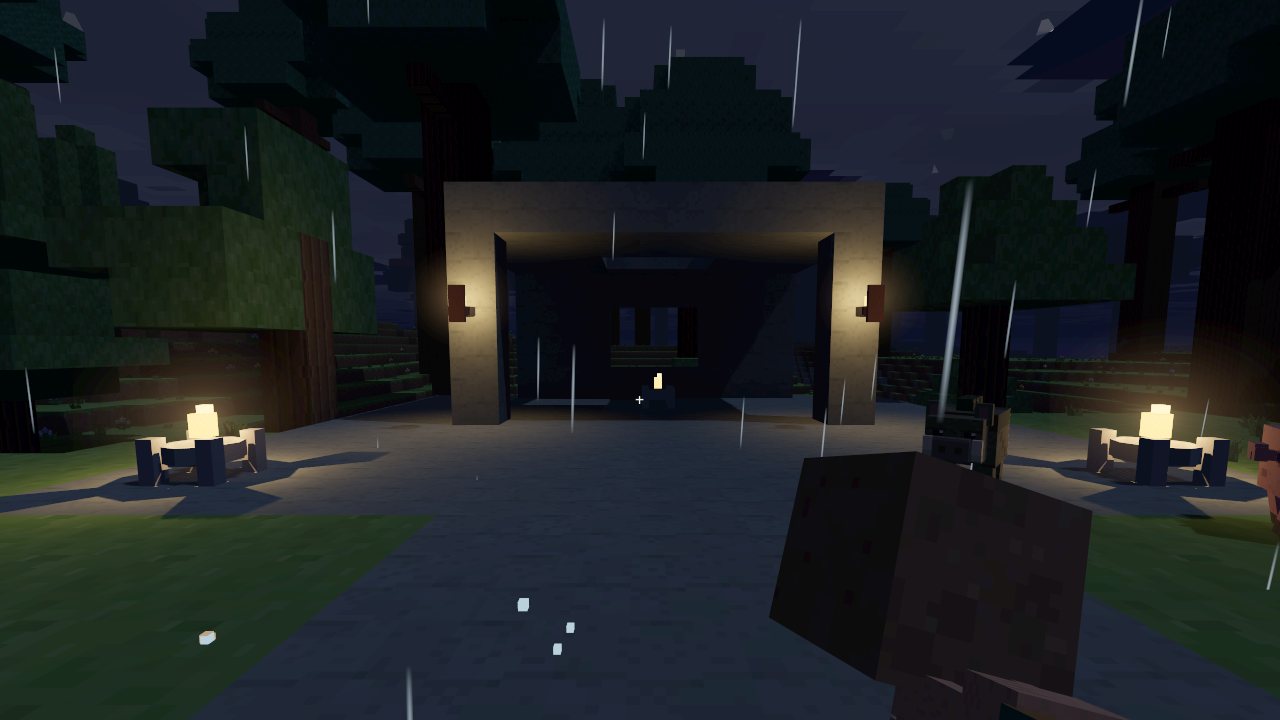
Weather fronts change every four minutes and blend over 35 seconds, shared by everyone on the server. Rain becomes snow in the cold and stays away from the dry lanes. Shelter quiets the rain. Storms flash and, a moment later, thunder.
Light is worked out from the grid: crisp sun shadows, darker ground under cover, and sun beams that only appear through real openings, so a window throws a shaft and a canopy does not glow. Fires are six curved flame volumes and nine rising embers on one shared asset, lighting the room through a single shadowed light.
Playing together
A server owns every world. It checks each edit for range, line of sight, occupancy and rate, and every hit for contact, so what you see is what happened. Headset, desktop and phone clients share the same worlds.
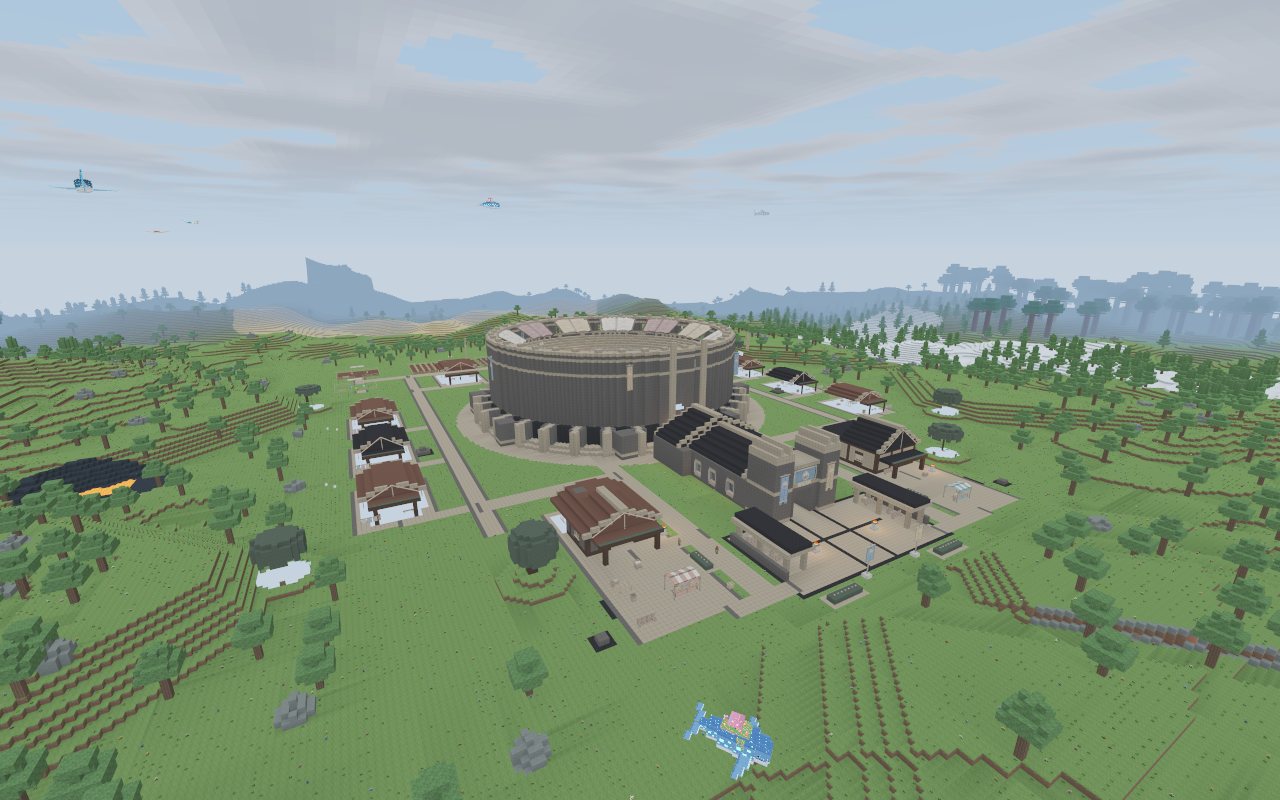
The arena settlement shows where this goes: 19 residents, nine of them with real jobs, real chests and a 20 minute workday. Torga harvests grain, Bram stores it, Fenn mills it, Nera bakes it, Pell carries the bread, Rell serves the meal. You can hear them talk about it in local chat and open their chests to see the stock.
In the game now
- Claims from bedrock to sky with per player build rights. Admin areas. Ranks, titles and chat badges.
- World edit tools for hosts, an edit journal and rollback, strikes and automatic kicks for abuse.
- Text chat in all, game, social and local tabs, with local capped at 96 metres.
- Tested with eight clients at once on a home network. Servers accept up to 32.
Next
- Official server hosting, arriving with full early access.
- Arena matches, gate state and events shared between players.
Made of data
Almost everything that gives the game its character lives in plain files rather than code. Creatures are three spreadsheets: numbers, behaviour and drops. Each kin is one file. Mounts are a row in a table. The world generator is a graph in a JSON file, biomes are templates, recipes are a catalogue, music is a playlist, and the day and weather have their own settings. Most of it reloads while the game is running.
I built it this way so that one person can add a creature in an afternoon. It also means modding is a matter of opening the door rather than building a new house. That door is on the plan.
Platforms and download size
Meta Quest 3 standalone is the lead platform and the reason for every rule in the engine. macOS and Windows builds run the same worlds for shared tests, and an Android phone build with touch controls exists for the same reason. There is no iPhone build. Every package is checked against a 100 MB limit on each build. The current Quest download is about 60 MB, most of it engine. 90 Hz on the headset is the target I design for and test towards.